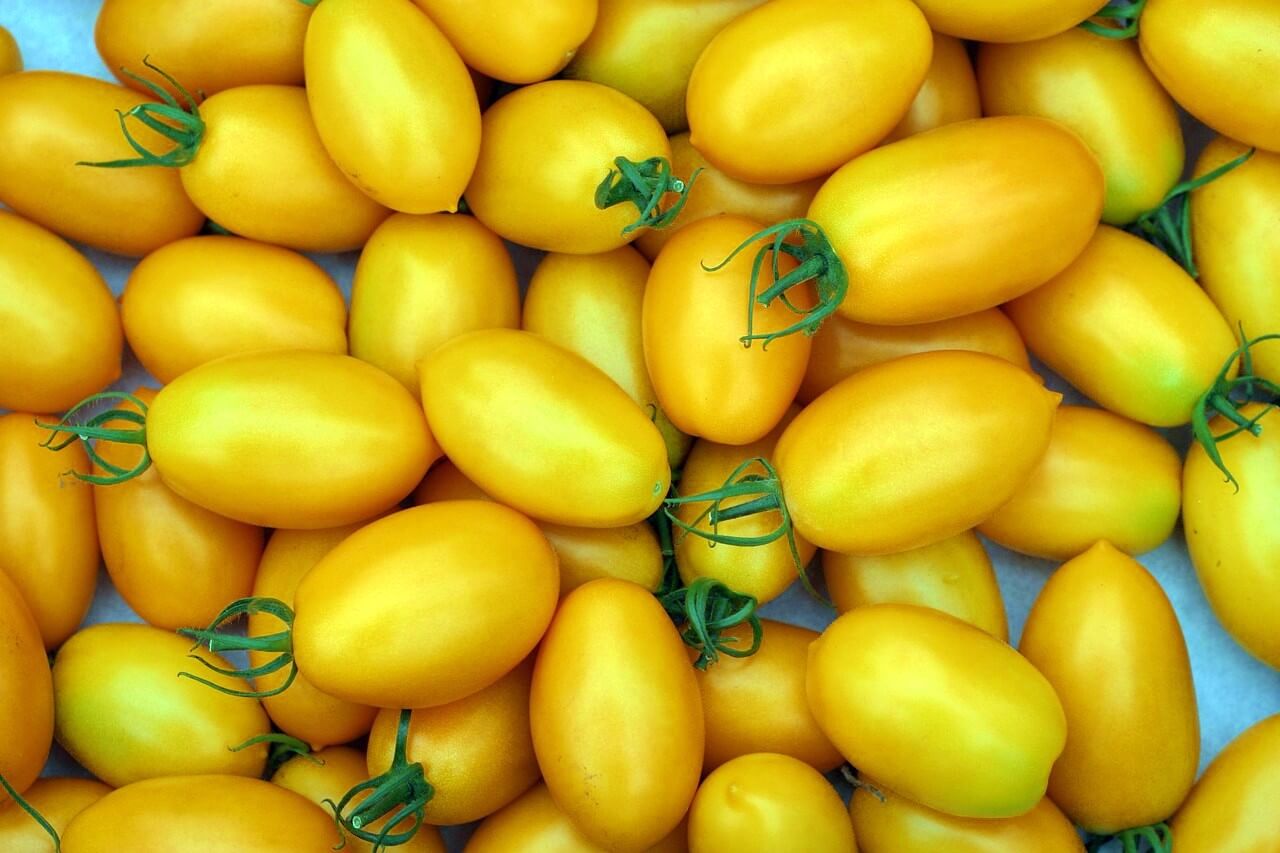
Things to Do in Your Greenhouse in May: A Beginner Gardener’s Guide
May is one of the most exciting months of the gardening year. Your greenhouse suddenly transforms from a quiet spring shelter into a thriving jungle of seedlings, herbs, vegetables, flowers, and nonstop growth.
Days become longer, sunlight becomes stronger, and many parts of the United States finally move beyond the danger of frost.
For beginner gardeners, May is also the month where gardening starts feeling “real.” Tiny seedlings become actual plants. Tomatoes begin climbing. Cucumbers explode with growth. Herbs become harvestable. And if you plan things correctly, your greenhouse in May can set up an incredibly productive summer season.
Whether you own a small backyard greenhouse, a lean-to attached to your house, or even a simple plastic tunnel greenhouse, May is packed with opportunities.
Why May Is Such an Important Greenhouse Month
May sits in the perfect middle ground between spring and summer.
Inside the greenhouse:
- Soil warms rapidly
- Germination speeds up
- Heat-loving crops finally thrive
- Frost-sensitive plants become safer
- Pests also begin appearing
For beginners, this is often the first month where the greenhouse requires active daily management instead of occasional watering.
A greenhouse in May can become surprisingly hot. Even when outdoor temperatures are mild, indoor greenhouse temperatures can easily exceed 90°F (32°C) on sunny days. Ventilation suddenly becomes just as important as warmth.
Fun and Interesting Greenhouse Facts
Greenhouses Can Be Hotter Than You Think
A greenhouse works because sunlight passes through transparent panels and heats the air and surfaces inside. That heat becomes trapped — a process similar to the “greenhouse effect” discussed in climate science.
In May, temperatures inside a closed greenhouse can rise dramatically in only a few hours.
That is why experienced gardeners:
- open vents early in the morning,
- use shade cloth,
- install circulation fans,
- or leave doors partially open.
Tomatoes Actually Love Greenhouses
Many beginner gardeners think tomatoes are simple outdoor plants. But tomatoes thrive in greenhouse environments because they love:
- consistent warmth,
- stable humidity,
- protection from rain,
- and reduced temperature swings.
Greenhouses also reduce fungal diseases caused by wet leaves and heavy rain exposure.
Cucumbers Can Grow Shockingly Fast
One of the most satisfying greenhouse experiences for beginners is watching cucumber vines grow.
In warm May conditions, cucumber plants can climb several inches per day. Some gardeners describe checking their greenhouse in the morning and finding completely new growth by evening.
Understanding US Hardiness Zones
Before planting anything in May, beginner gardeners should understand USDA hardiness zones.
These zones are based on average winter minimum temperatures and help gardeners understand:
- when frost usually ends,
- what plants survive winter outdoors,
- and when planting becomes safe.
Why Hardiness Zones Matter in a Greenhouse
A greenhouse gives you a growing advantage — but it does not completely eliminate climate limitations.
For example:
- A gardener in Zone 3 still experiences cold nights in May.
- A gardener in Zone 9 may already struggle with overheating.
Even with greenhouse protection, your local climate still affects:
- sunlight hours,
- humidity,
- seasonal timing,
- pollination,
- and temperature extremes.
Quick May Planting Guide by Zone
Zones 3–4 (Cold Northern Areas)
May is still early spring in these zones.
Best greenhouse tasks:
- Start tomatoes indoors
- Harden off seedlings
- Grow lettuce and spinach
- Protect crops from late frosts
Warm-season crops may still need protection at night.
Zones 5–6
This is prime greenhouse season.
You can safely grow:
- tomatoes,
- cucumbers,
- peppers,
- herbs,
- beans,
- and flowers.
Most gardeners begin moving plants outdoors gradually during late May.
Zones 7–8
Greenhouses become highly productive in May, but heat management becomes important.
Beginner gardeners should:
- ventilate daily,
- water consistently,
- monitor pests carefully,
- and avoid overcrowding.
Zones 9–10
In warmer southern climates, May greenhouse gardening becomes more about controlling heat than creating warmth.
Some cool-season crops may already bolt due to rising temperatures. Lettuce, spinach, cilantro, and bok choy can struggle once greenhouse temperatures climb too high.
Types of Greenhouses for Beginners
Choosing the right greenhouse matters more than many beginners realize.
Mini Greenhouses
Perfect for:
- balconies,
- patios,
- small yards,
- and beginner gardeners.
Advantages:
- affordable,
- easy to maintain,
- easier temperature control.
Disadvantage:
- limited growing space.
Polytunnel Greenhouses
These use plastic sheeting stretched over a frame.
Advantages:
- inexpensive,
- excellent for vegetables,
- great heat retention.
Disadvantages:
- shorter lifespan,
- less visually attractive,
- can overheat quickly.
Glass Greenhouses
Classic and beautiful.
Advantages:
- excellent light transmission,
- long lifespan,
- attractive appearance.
Disadvantages:
- expensive,
- fragile,
- can lose heat faster at night.
Polycarbonate Greenhouses
One of the best beginner options.
Advantages:
- strong insulation,
- durable,
- lightweight,
- safer than glass.
Many modern beginner greenhouse kits use polycarbonate panels because they balance affordability and performance.
Best Vegetables to Plant in a Greenhouse in May
Tomatoes
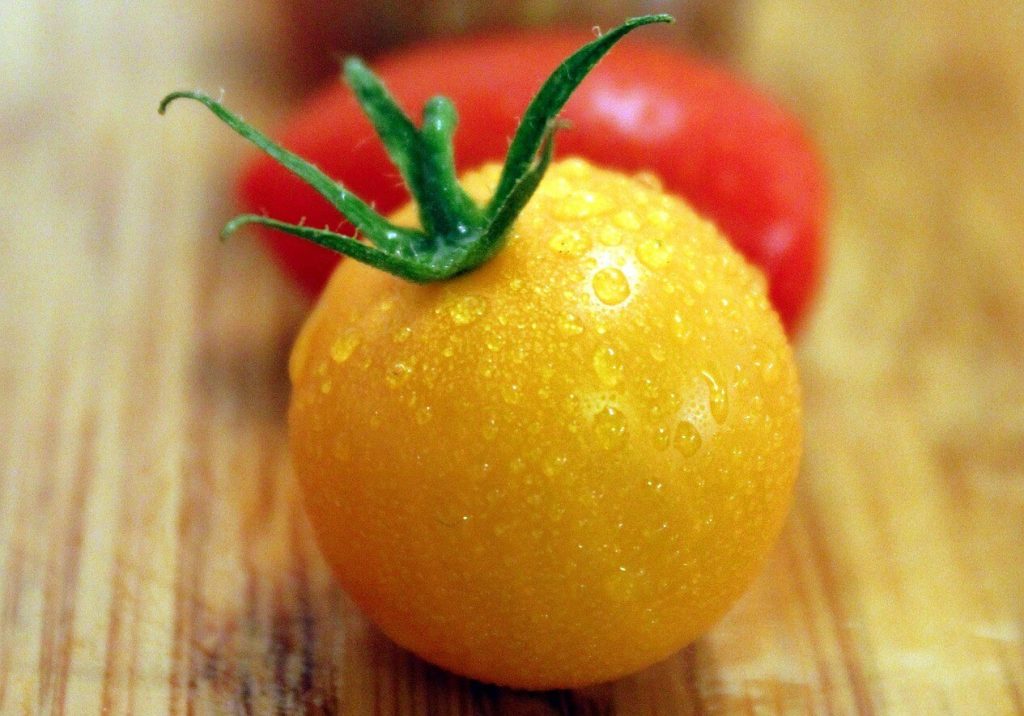
Tomatoes are the superstar crop of greenhouse gardening.
Beginner-friendly varieties:
- Cherry tomatoes
- Roma tomatoes
- Bush tomatoes
Tips:
- Use support strings or cages
- Water consistently
- Avoid wetting leaves
- Ventilate well
Tomatoes thrive in warm greenhouse conditions during May.
Cucumbers
Cucumbers love:
- warmth,
- humidity,
- vertical climbing space.
For beginners:
- choose compact greenhouse varieties,
- train vines upward,
- harvest regularly.
Greenhouse cucumbers are often sweeter and less bitter than outdoor-grown varieties.
Peppers
Bell peppers and chili peppers thrive in greenhouse warmth.
Peppers appreciate:
- steady temperatures,
- warm soil,
- and lots of sunlight.
In cooler climates, greenhouse growing can dramatically improve pepper harvests.
Basil
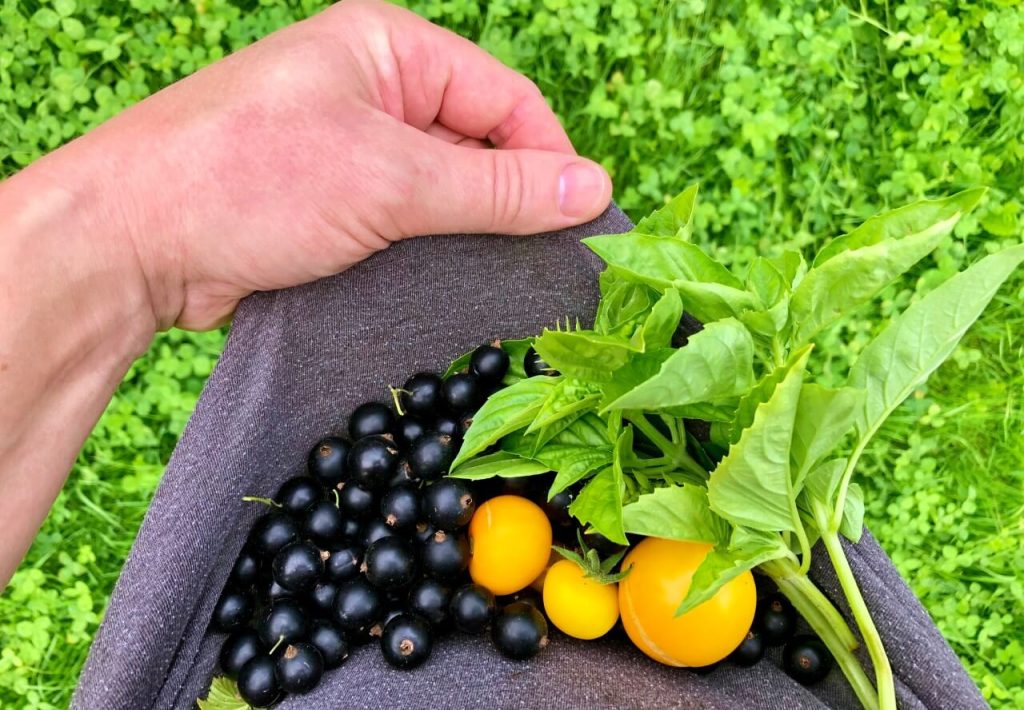
Basil grows exceptionally well in May greenhouses.
Tips:
- pinch growing tips often,
- avoid overwatering,
- harvest regularly.
Basil also pairs beautifully with tomatoes both in the kitchen and in companion planting systems.
Lettuce and Salad Greens
These are excellent beginner crops because:
- they grow fast,
- require little space,
- and produce quick results.
However, in warmer zones or overheated greenhouses, lettuce may bolt quickly in May.
Essential Greenhouse Jobs to Do in May
1. Ventilate Every Day
This is probably the single most important greenhouse task in May.
Without ventilation:
- plants overheat,
- humidity rises,
- fungal diseases spread,
- pollination decreases.
Many beginners accidentally “cook” plants by leaving the greenhouse sealed during sunny afternoons.
2. Start Feeding Plants
Fast-growing greenhouse plants rapidly consume nutrients.
Begin fertilizing:
- tomatoes,
- cucumbers,
- peppers,
- and flowering plants.
Liquid seaweed fertilizers are beginner-friendly and forgiving.
3. Watch for Pests
May brings:
- aphids,
- whiteflies,
- spider mites,
- fungus gnats.
Check the undersides of leaves regularly. Early detection matters enormously.
4. Train Climbing Plants
Tomatoes and cucumbers grow rapidly in May.
Use:
- strings,
- clips,
- trellises,
- or cages.
Vertical growing improves airflow and saves greenhouse space.
5. Harden Off Seedlings
Seedlings started indoors or in protected greenhouse conditions need gradual exposure to outdoor weather.
This process is called “hardening off.”
Begin by:
- placing plants outside for a few hours daily,
- avoiding strong wind initially,
- slowly increasing exposure.
Trending Greenhouse Gardening Tactics
Companion Planting
Companion planting is becoming extremely popular among beginner gardeners.
Examples:
- Basil near tomatoes
- Marigolds near vegetables
- Nasturtiums near cucumbers
Benefits may include:
- reduced pests,
- improved pollination,
- and healthier plant growth.
Vertical Growing
Modern greenhouse gardeners maximize space vertically.
Popular methods:
- hanging baskets,
- wall planters,
- vertical trellises,
- suspended tomato strings.
This is especially useful in small backyard greenhouses.
Sustainable Gardening
Many gardeners now focus on:
- composting,
- rainwater collection,
- peat-free soil mixes,
- organic pest control,
- and reusable seed trays.
Greenhouse gardening naturally supports sustainability because it extends growing seasons and reduces food transportation.
Smart Greenhouses
Technology is increasingly entering home gardening.
Popular beginner tools:
- automatic vent openers,
- digital thermometers,
- humidity sensors,
- irrigation timers,
- grow lights.
Even small upgrades can dramatically improve greenhouse success.
Common Beginner Mistakes in May
Overwatering
Warm weather tricks many beginners into watering too often.
Plants prefer:
- deep watering,
- followed by partial drying.
Constantly wet soil encourages disease.
Planting Too Much
Every beginner eventually discovers this truth:
small seedlings become huge plants.
A single tomato plant can dominate a small greenhouse by midsummer.
Avoid overcrowding early.
Ignoring Temperature Swings
May weather can still fluctuate dramatically.
Some regions experience:
- warm afternoons,
- but surprisingly cold nights.
Monitor temperatures carefully.
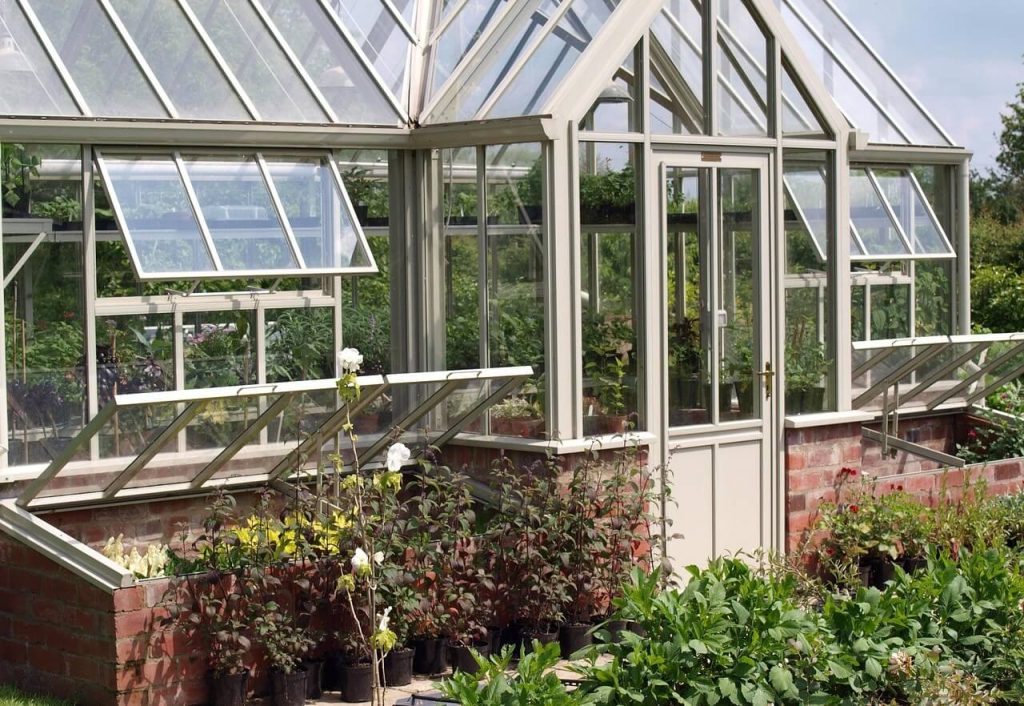
Beginner Greenhouse Checklist for May:
By the end of May, beginner gardeners should ideally:
- have warm-season crops planted,
- ventilate daily,
- monitor pests weekly,
- support climbing plants,
- fertilize regularly,
- and begin harvesting herbs and greens.
This month sets the tone for your entire summer harvest.
The key to success is not perfection — it is observation.
Spend time inside your greenhouse every day:
- look at leaves,
- feel the soil,
- monitor temperatures,
- and notice small changes.
Experienced gardeners often say the greenhouse “talks” to you. In May, that conversation becomes very active indeed.
See our page “Greenhouse Calendar” for tasks to do in other months!