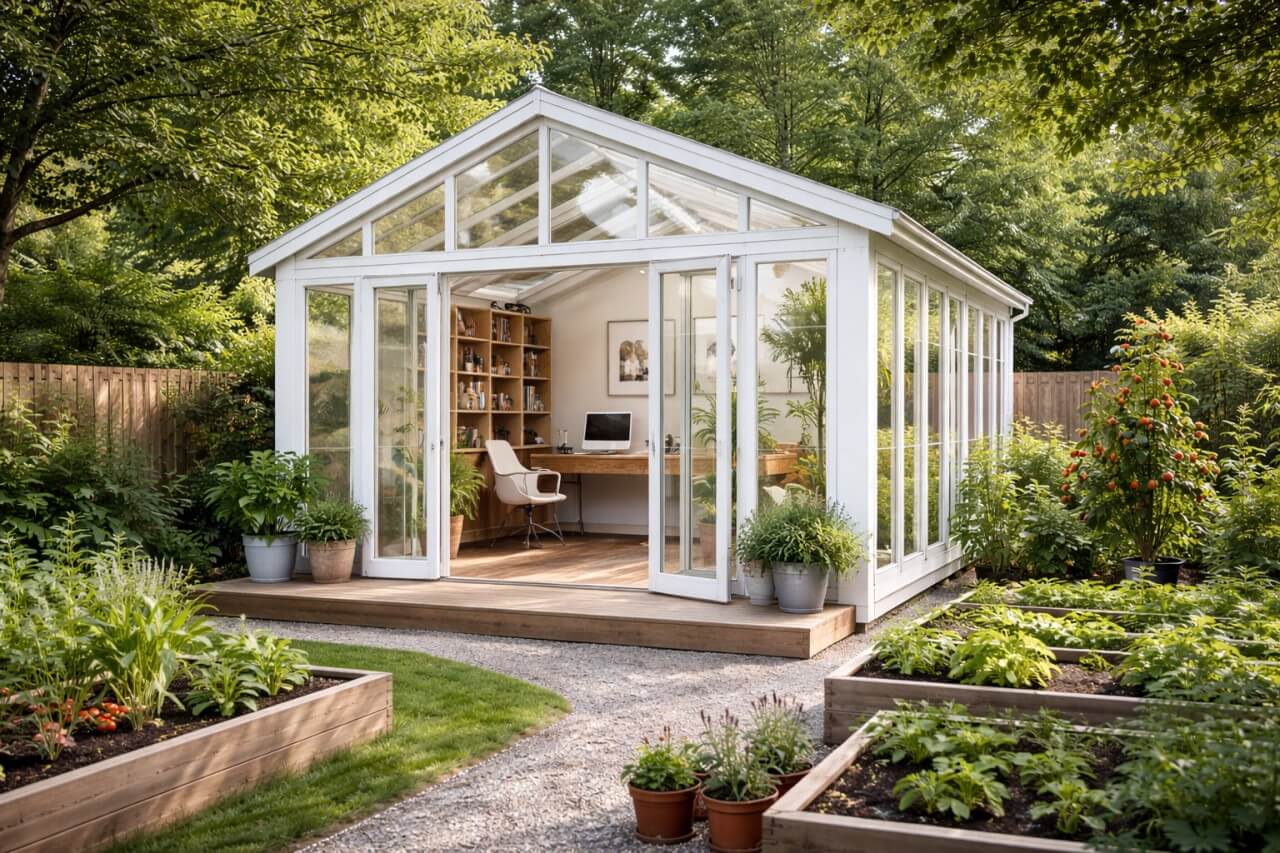
Your Ideal Work From Home Garden Cabin Does Exist!
The idea of working from home has evolved far beyond a laptop at the kitchen table. For many, the ultimate setup is a dedicated garden cabin — a quiet, purpose-built space just steps away from the house, surrounded by greenery and fresh air.
If you’re serious about productivity and quality of life, a work-from-home garden cabin might be one of the smartest upgrades you can make.
Why a Garden Cabin Changes Everything
Working inside your home sounds convenient, but it often comes with distractions: noise, chores, family movement, and the blurred line between “work mode” and “home mode.”
A garden cabin solves this by creating physical and psychological separation.
Stepping outside into your garden and entering a dedicated workspace creates a ritual. It signals your brain: now it’s time to focus.
And when the day ends, you leave that space behind — just like commuting, but without the stress.
There’s also something powerful about being surrounded by plants, natural light, and fresh air.
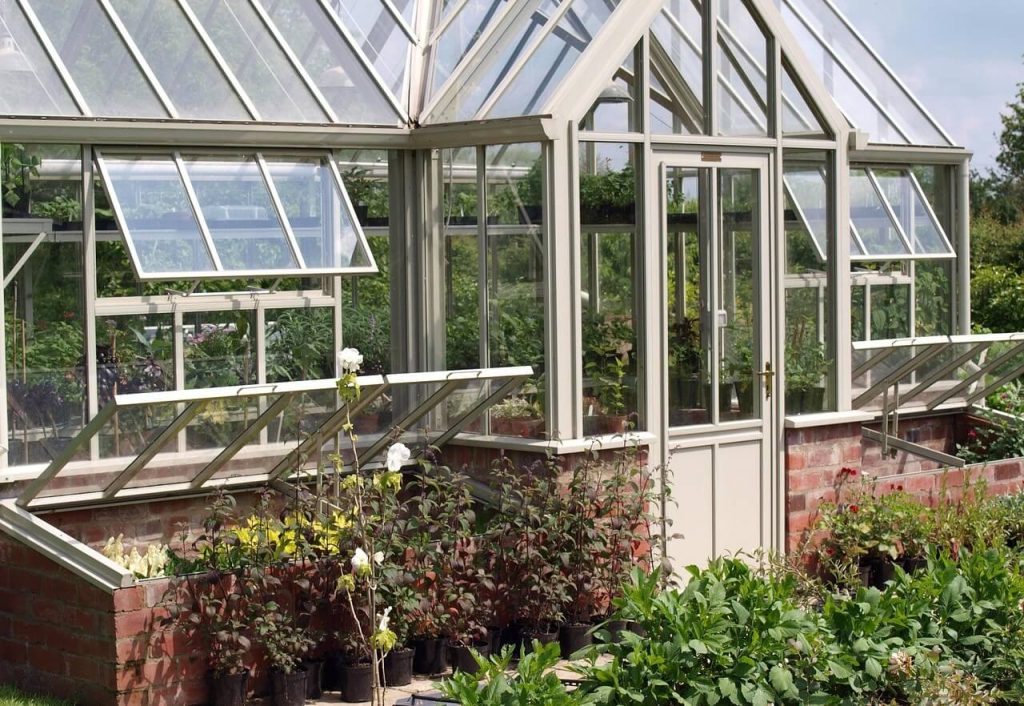
Even a small garden view can reduce stress and improve concentration, but if you’re into gardening deeper, growing tomatoes in a greenhouse might be a space where you can put a chair and tiny desk to work.
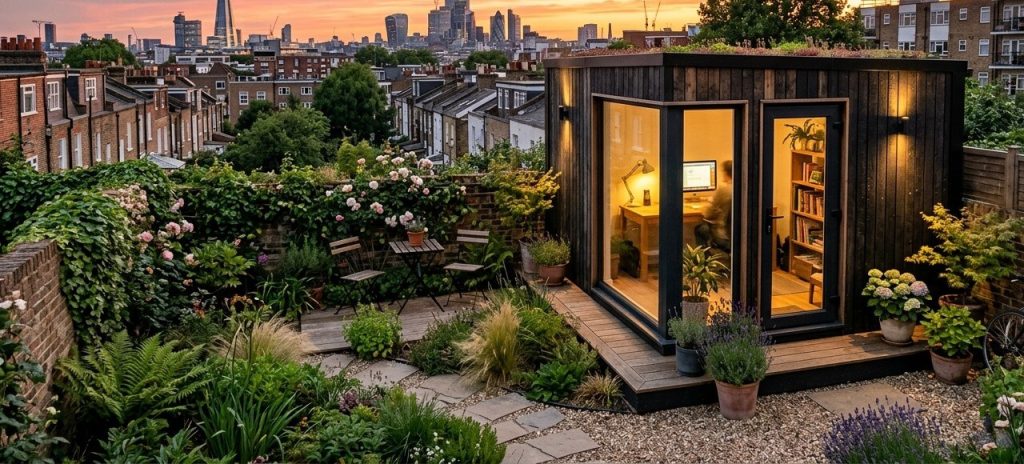
Choosing the Right Location
Placement is more important than most people think.
- Distance from the house: Ideally 5–15 meters. Close enough for convenience, far enough for separation.
- Sunlight exposure: South or southeast-facing cabins get the best natural light throughout the day.
- Wind protection: Position near hedges, fences, or natural barriers.
- Garden integration: Place it where it complements your growing space — near your greenhouse, raised beds, or even a small herb garden.
If you’re already growing vegetables or greens, placing your cabin nearby can create a beautiful synergy between work and gardening breaks.
Size and Layout of Your Garden Cabin
You don’t need a huge structure to make it functional. Here are some examples of sizes and what they’re good for:
- Small (6–10 m²): Perfect for a minimalist office setup.
- Medium (10–15 m²): Allows desk + storage + relaxation chair.
- Large (15+ m²): Can include workspace, lounge area, or even a small indoor growing corner.
A simple layout works best for your interior:
- Desk facing a window
- Shelving along one wall
- Compact seating area for breaks
Avoid overcrowding — clarity in space leads to clarity in thinking.
U.S. Weather Zones VS Your Garden Office Cabin
The climate zoning system developed by the United States Department of Agriculture (USDA) divides regions into zones based on average minimum winter temperatures, ranging from extremely cold (Zone 1) to very warm (Zone 13).
While originally intended for gardening, these zones are highly relevant when designing a garden office cabin, as they indicate how severe winter conditions can be.
This directly impacts decisions around insulation, structural durability, and whether your cabin can function as a true year-round workspace.
In colder zones (3–6), which include much of Northern and Eastern Europe, a garden cabin must be built like a small house: well-insulated walls, double or triple-glazed windows, and reliable heating are essential.
In milder zones (7–9), moderate insulation and good ventilation are usually sufficient, while warmer zones (10–13) shift the focus toward cooling strategies like airflow, shading, and heat-resistant materials.
Choosing the wrong design for your climate—such as copying a warm-climate cabin in a cold region—can lead to poor comfort and limited usability.
Ultimately, USDA zones provide a practical framework for aligning your cabin design with real environmental conditions.
Beyond temperature, factors like seasonal daylight also play a role, especially in northern regions where winter light is limited.
By understanding your climate zone and adapting accordingly, you ensure your garden office remains comfortable, efficient, and productive throughout the entire year.
Insulation and Year-Round Use
If you live in a climate with cold winters (like much of Northern America or Eastern Europe), insulation is non-negotiable.
Key elements your garden office should have to keep the space warm:
- Wall insulation: Mineral wool or rigid foam boards
- Double-glazed windows
- Insulated floor
- Proper sealing (no drafts)
Heating options are like this:
- Electric panel heaters (simple and effective)
- Infrared heaters (energy-efficient for small spaces)
- Small wood stove (if you want a rustic feel)
In summer, ventilation is just as important:
- Opening windows
- Roof vents
- Small fans if needed
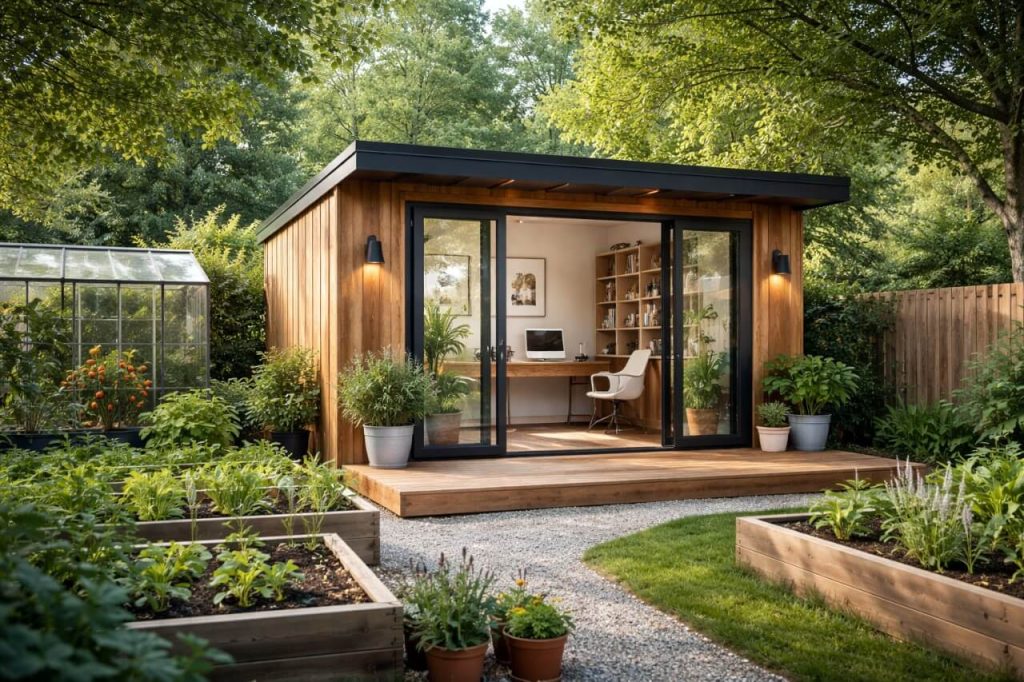
Lighting and Atmosphere
Natural light should be your primary source. Large windows or even glass doors make a huge difference.
For artificial lighting:
- Neutral white LED lights (4000–5000K) for productivity
- Warm lighting for late afternoons or relaxed work sessions
Add personal touches:
- Indoor plants (herbs, microgreens, or even small tomatoes)
- Wooden textures for warmth
- Minimal but meaningful decor
Internet and Power Setup
A beautiful cabin is useless without solid connectivity.
Options:
- Wi-Fi extender from your house
- Mesh network system
- Ethernet cable (best for stability if possible)
Power considerations:
- Enough outlets for all devices
- Surge protection
- Outdoor-rated cables if running electricity from the house
Blending Work and Gardening
This is where things get interesting — especially if you enjoy growing your own food.
Your garden cabin can become more than just an office:
- Step outside for quick gardening breaks
- Monitor greenhouse conditions during the day
- Grow herbs or microgreens right inside your cabin
- Use breaks to water plants, prune, or harvest
These small interactions with nature can reset your mind better than scrolling on your phone.
Garden Office Budget and DIY Options
Garden cabins can range from very affordable to premium. Here’s a list of choices you have:
- DIY builds: Lower cost, more customization
- Pre-built kits: Faster setup, predictable quality
- Custom builds: Highest cost, tailored design
If you enjoy hands-on projects (like building raised beds or greenhouse setups), a DIY cabin can be a rewarding extension of your gardening hobby.
Common Mistakes to Avoid When Planning an Office in Your Garden:
- Building too small → you’ll outgrow it quickly
- Ignoring insulation → unusable in winter
- Poor lighting → affects mood and productivity
- Weak internet → constant frustration
- Overdecorating → clutter kills focus
Keep it simple, functional, and intentional.
So there you have it!
An ideal work-from-home garden cabin is not just about productivity — it’s about creating a lifestyle.
It gives you:
- A quiet place to think and work
- A deeper connection to your garden
- A healthier daily rhythm
- A clear boundary between work and home life
If you already enjoy growing plants, experimenting with seeds, or spending time outdoors, a garden cabin becomes more than an office — it becomes your personal retreat.
And sometimes, the best ideas don’t come from staring at a screen… but from stepping outside, breathing fresh air, and checking on your plants.