Growing Tomatoes in a Greenhouse: A Gardener’s Guide to One of the Most Rewarding Crops
If there is one plant that almost every gardener falls in love with sooner or later, it’s the tomato. After years of growing vegetables in a greenhouse, I can honestly say tomatoes are one of the most satisfying crops you can grow. They are productive, forgiving, incredibly versatile in the kitchen, and nothing compares to the taste of a tomato picked fresh from the vine.
Whether you are growing a few plants in a small backyard greenhouse or filling an entire structure with them, tomatoes reward your effort generously. Once you learn a few basic principles, they are surprisingly easy to grow and can provide harvests for months.
Why Tomatoes Are So Popular With Gardeners
Tomatoes have earned their place as a favorite garden crop for several simple reasons.
First, they are very productive plants. A single healthy tomato plant can produce dozens, sometimes even hundreds, of fruits during a season. For gardeners, that means a small amount of space can provide a lot of food.
Second, tomatoes are adaptable. They grow in open gardens, containers, raised beds, and especially well in greenhouses. A greenhouse simply gives them the warm, stable environment they love.
Third, tomatoes are incredibly versatile in the kitchen. You can eat them fresh, cook them into sauces, roast them, dry them, pickle them, or preserve them for winter.
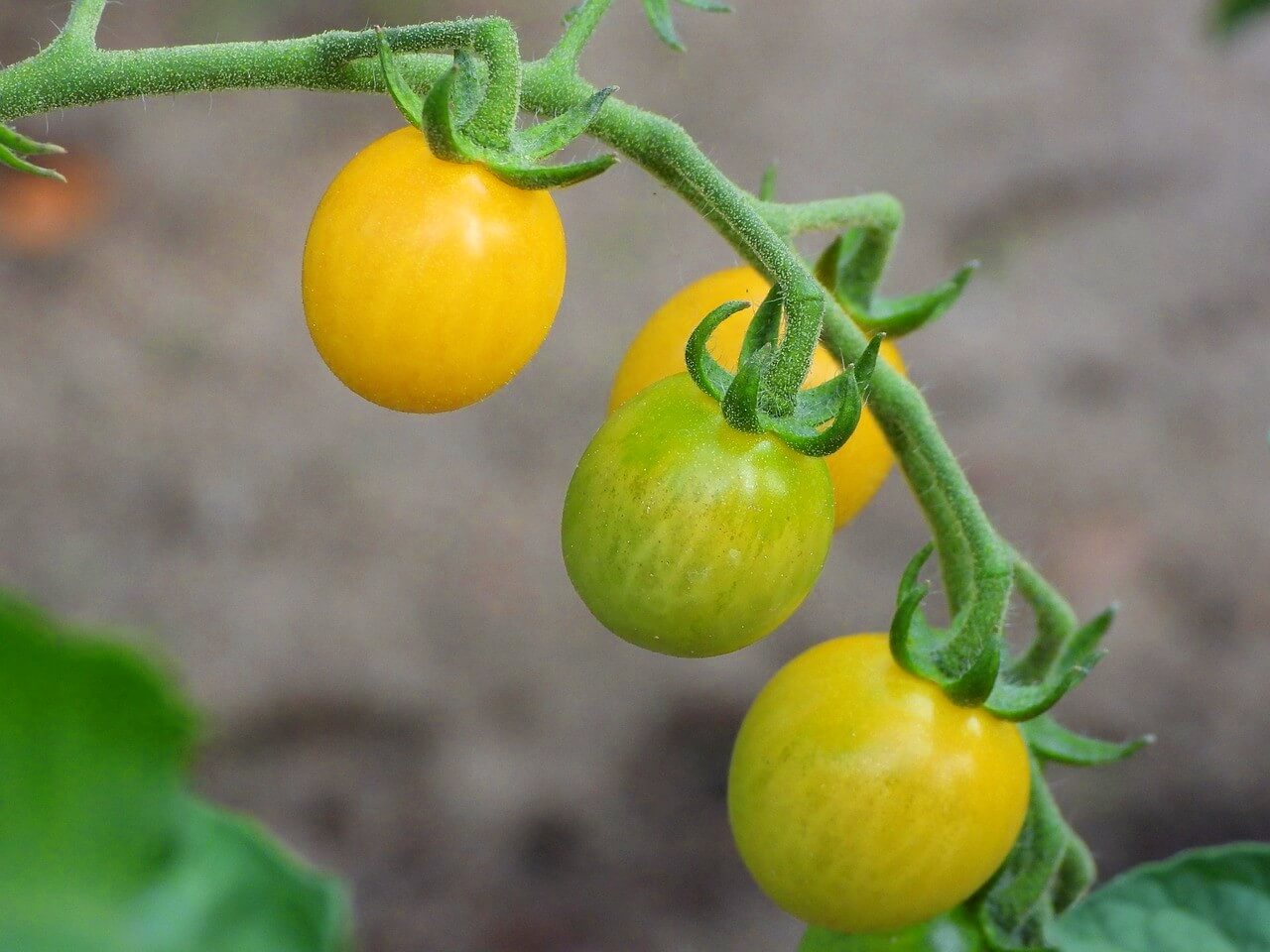
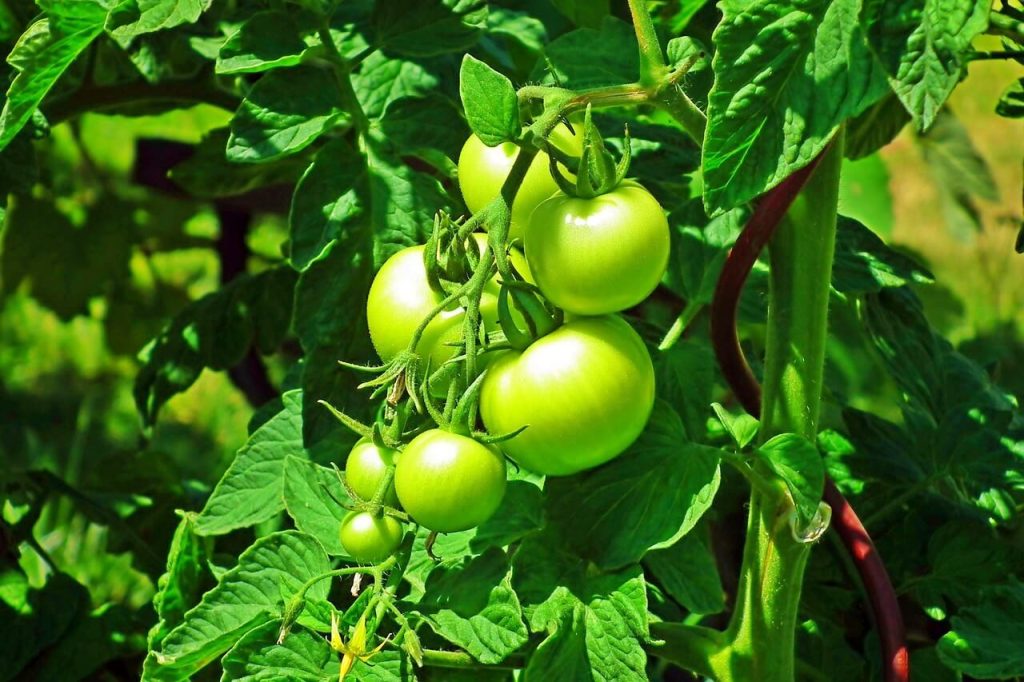
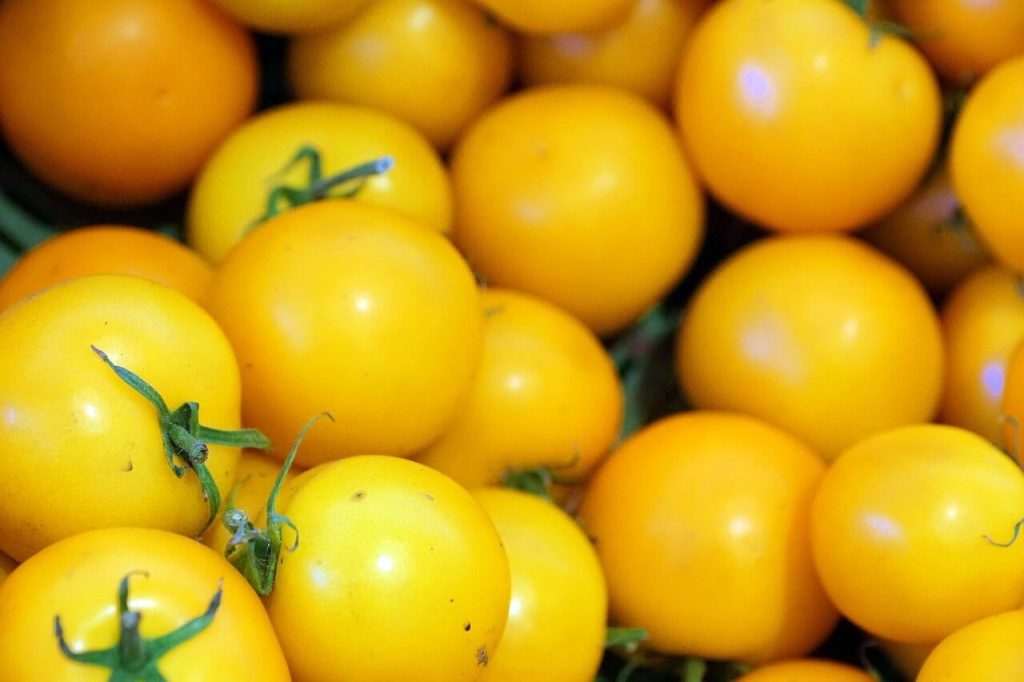
And finally, tomatoes are simply fun to grow. Watching the flowers turn into small green fruits and eventually ripen into beautiful red, yellow, orange, or even purple tomatoes is one of the small joys of gardening.
A Short History of Tomatoes
Tomatoes originally come from Central and South America, where they grew wild long before they were cultivated. Spanish explorers brought them to Europe in the 1500s, and from there they slowly spread around the world.
Interestingly, the earliest tomatoes grown in Europe were often yellow rather than red, which is why the Italian word for tomato, pomodoro, means “golden apple.”
For many years people believed tomatoes were poisonous because they belong to the same plant family as nightshade. Thankfully, that misunderstanding didn’t last forever, and today tomatoes are one of the most widely grown vegetables in the world.
Why Tomatoes Are Easy to Grow
Many beginners assume tomatoes are difficult, but the truth is that they are quite forgiving plants once their basic needs are met.
Tomatoes mainly require:
- Plenty of sunlight
- Warm temperatures
- Consistent watering
- Nutrient-rich soil
- Basic plant support
In a greenhouse, several of these conditions become much easier to control. The structure protects plants from heavy rain, cold nights, and strong winds. As a result, greenhouse tomatoes often grow stronger and produce earlier harvests than outdoor plants.
Tomatoes also grow quickly. Under good conditions, a seed planted in early spring can produce ripe fruit in just a few months.
Nutritional Benefits of Tomatoes
Besides being delicious, tomatoes are also very healthy. They are low in calories but rich in nutrients and beneficial plant compounds.
Tomatoes contain:
- Vitamin C – supports the immune system
- Vitamin A – important for vision and skin health
- Potassium – helps regulate blood pressure
- Folate – supports cell growth and development
- Fiber – aids digestion
One of the most well-known compounds in tomatoes is lycopene, a powerful antioxidant responsible for the red color of many varieties. Lycopene has been widely studied for its potential role in supporting heart health and protecting cells from damage.
Cooking tomatoes can actually increase the availability of lycopene, which is one reason tomato sauces and soups are so nutritious.
The Amazing Variety of Tomatoes
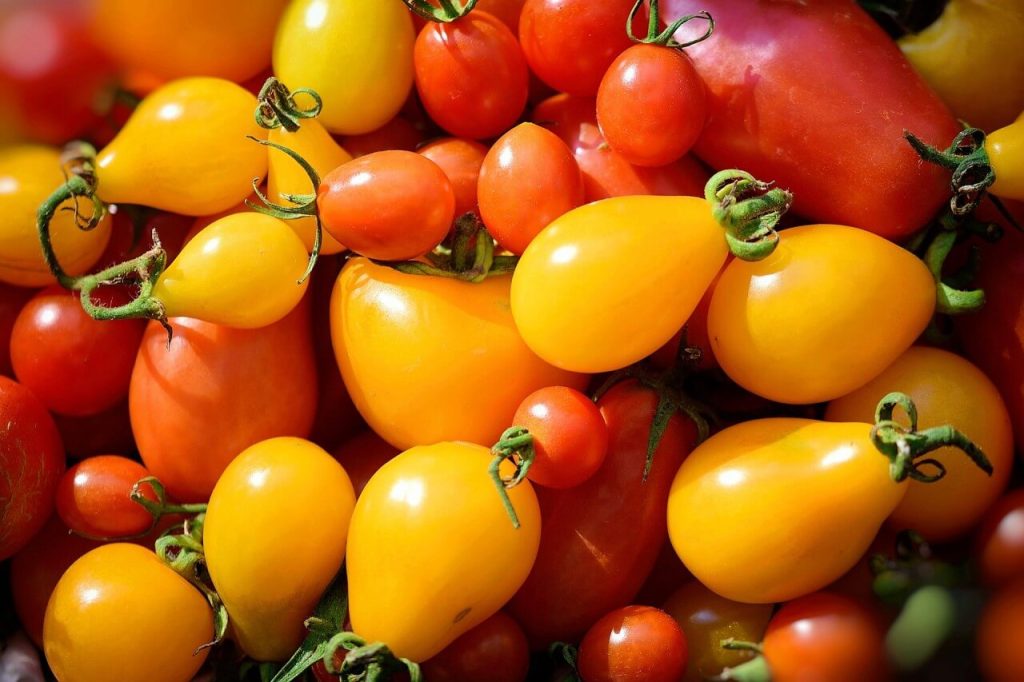
One of the most enjoyable parts of growing tomatoes is discovering how many different varieties exist. There are thousands of types grown by gardeners around the world.
Tomatoes are usually grouped into a few general categories.
Cherry Tomatoes
Cherry tomatoes are small, sweet, and incredibly productive. They grow in large clusters and are perfect for snacking.
Popular examples include:
- Sweet cherry varieties
- Yellow pear tomatoes
- Small grape tomatoes
These are often the easiest tomatoes for beginners.
Plum or Paste Tomatoes
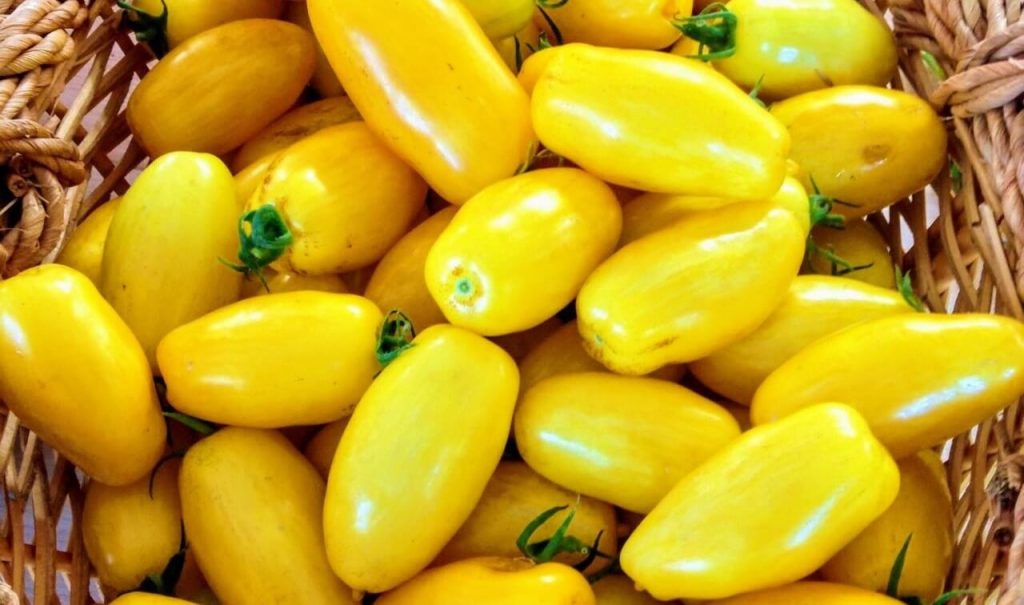
These tomatoes are usually oval-shaped with fewer seeds and thicker flesh. They are perfect for cooking and making sauces.
Common examples include Roma-type tomatoes and other paste varieties.
Beefsteak Tomatoes
Beefsteak tomatoes are the large slicing tomatoes often used for sandwiches. Some can grow impressively large and have a rich, classic tomato flavor.
These varieties are often favorites among greenhouse growers.
Heirloom Tomatoes
Heirloom tomatoes are traditional varieties passed down through generations. They often have unique colors, shapes, and flavors.
You might see tomatoes that are:
- Deep purple
- Striped green and yellow
- Almost black
- Bright orange
Many gardeners grow heirlooms specifically for their exceptional flavor.
Determinate vs Indeterminate Tomatoes
Another important difference between tomato plants is their growth habit.
Determinate tomatoes grow to a certain height and then stop. They tend to produce most of their fruit within a shorter time period.
Indeterminate tomatoes continue growing and producing fruit throughout the entire season. These are especially popular for greenhouse growing because they can produce tomatoes for many months.
Indeterminate plants usually require staking, pruning, or string support to manage their height.
Seasonal Characteristics of Tomato Plants
Tomatoes are warm-season plants and grow best in temperatures between 20–28°C (68–82°F).
The basic growth stages include:
- Seed germination
- Seedling development
- Flower formation
- Fruit development
- Ripening
In a greenhouse, this cycle can start earlier in spring and continue later into autumn.
Gardeners often start tomato seeds indoors 6–8 weeks before the last frost, then transplant them into the greenhouse once conditions are warm enough.
With proper care, greenhouse tomatoes can produce fruit for four to six months or longer.
Growing Tomatoes in Different Climate Zones
One of the advantages of tomatoes is their adaptability across different climates.
Cooler climates
In northern regions or cooler climates, greenhouses are extremely helpful. They extend the growing season and protect plants from cold temperatures.
Gardeners in these areas often choose early or cold-tolerant varieties.
Temperate climates
In moderate climates, tomatoes grow well outdoors, but greenhouse growing still offers advantages such as earlier harvests and better disease protection.
Warm climates
In very warm regions, tomatoes can sometimes struggle with extreme heat. Greenhouses may need shading and strong ventilation to keep temperatures under control.
Understanding your local climate helps determine when to plant and which varieties to choose.
Why Tomatoes Thrive in Greenhouses
Greenhouses create a stable growing environment that tomatoes love.
Benefits include:
- Protection from wind and rain
- Warmer night temperatures
- Reduced disease pressure
- Longer growing seasons
- Earlier harvests
Because tomatoes prefer warmth and consistent conditions, they often grow faster and produce larger harvests in greenhouses.
Important Greenhouse Growing Tips
Over the years, a few simple practices have made a big difference in my greenhouse tomato harvests.
Provide Strong Plant Support
Tomato plants can grow surprisingly tall and heavy. Using strings, stakes, or cages helps keep plants upright and prevents branches from breaking.
Maintain Good Airflow
Ventilation is essential. Opening vents or doors helps reduce humidity and prevents fungal diseases.
Water Consistently
Tomatoes prefer deep watering rather than frequent shallow watering. Keeping soil moisture consistent helps prevent issues like fruit cracking.
Prune When Necessary
Removing small side shoots on indeterminate plants allows the plant to focus energy on producing fruit rather than excessive foliage.
Feed Plants Regularly
Tomatoes are fairly heavy feeders. Once flowering begins, providing a fertilizer rich in potassium helps encourage fruit development.
Common Tomato Problems in Greenhouses
Even experienced gardeners occasionally run into challenges.
Some common issues include:
- Blossom end rot (usually caused by inconsistent watering)
- Poor pollination in still air environments
- High humidity leading to fungal diseases
- Aphids or whiteflies
Fortunately, most of these problems are manageable with good airflow, proper watering, and regular plant inspection.
Harvesting and Enjoying Tomatoes
One of the best moments for any gardener is harvesting the first ripe tomato of the season.
Greenhouse tomatoes often ripen earlier than outdoor plants, and their flavor is often richer because they receive steady warmth and sunlight.
Fresh tomatoes can be enjoyed in many ways:
- Sliced in salads
- Added to sandwiches
- Roasted with herbs
- Cooked into sauces
- Made into salsa or soups
Many gardeners also preserve tomatoes by canning, drying, or freezing to enjoy the harvest long after the season ends.
Why Tomatoes Belong in Every Greenhouse
After years of growing vegetables, tomatoes remain one of my favorite crops. They are productive, flavorful, nutritious, and surprisingly easy to grow once you understand their needs.
For anyone starting a greenhouse garden, tomatoes are often the perfect plant to begin with. They reward even modest care with generous harvests and provide endless opportunities to experiment with different varieties.
And perhaps most importantly, nothing quite compares to walking into your greenhouse on a warm summer morning and picking a perfectly ripe tomato straight from the vine.
It’s one of those simple pleasures that reminds you exactly why gardening is so rewarding.