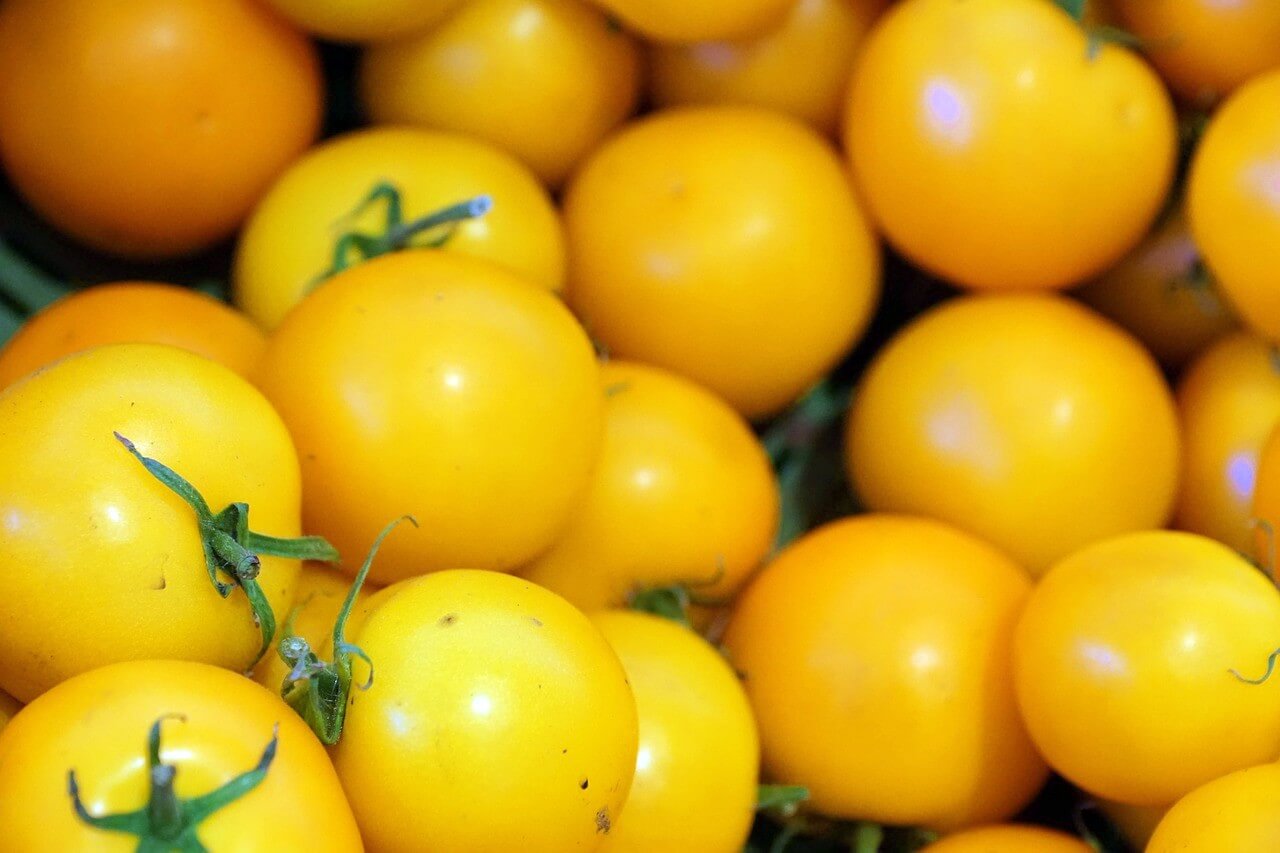
Yellow tomatoes bring a bright splash of color to the garden and the kitchen.
While red tomatoes are the most common, yellow varieties have been grown for centuries and are loved by gardeners for their mild flavor, beautiful color, and reliable harvests.
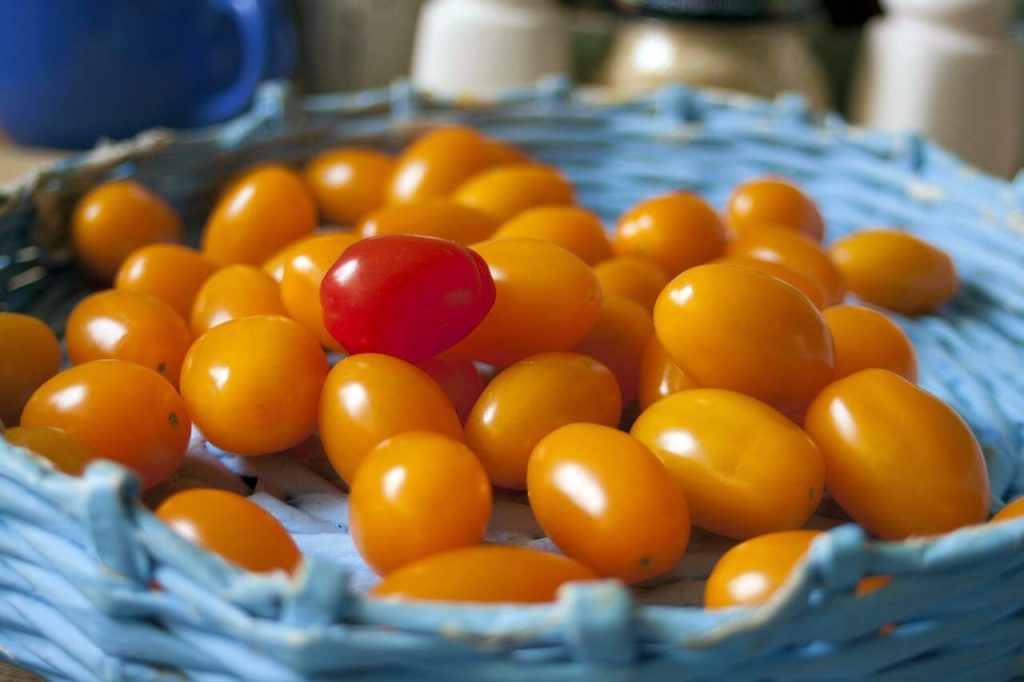
Many people who find red tomatoes a little acidic discover that yellow tomatoes have a gentler, sweeter taste, making them perfect for fresh eating.
For greenhouse growers and home gardeners alike, yellow tomatoes are often considered one of the most rewarding crops to grow.
What makes yellow tomatoes different?
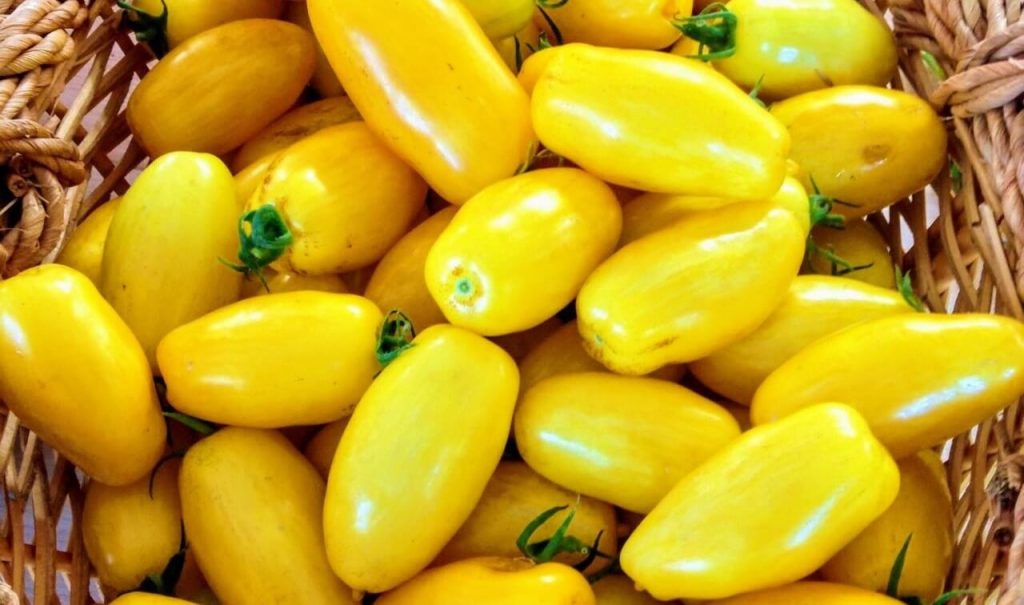
Yellow tomatoes are not unripe fruit—they are a distinct group of tomato varieties that naturally ripen to yellow or golden shades. The color difference comes from the plant’s natural pigments.
Red tomatoes contain high levels of lycopene, the antioxidant responsible for their deep red color.
Interesting fact: yellow tomatoes contain less lycopene and more of other carotenoid pigments, which give them their bright yellow or golden appearance.
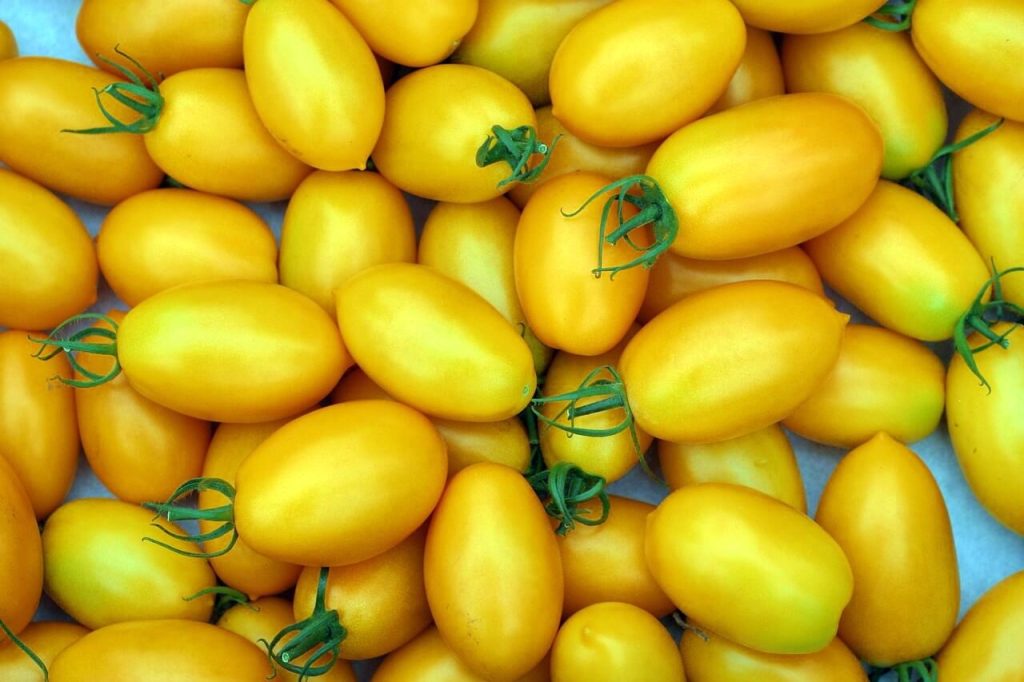
Because of this different balance of pigments, yellow tomatoes often taste:
- Milder and less acidic
- Slightly sweeter
- Very juicy and refreshing
Some gardeners also say yellow tomatoes have a fruity or tropical hint in their flavor, especially in certain heirloom varieties.
A short history of yellow tomatoes
Interestingly, the first tomatoes brought to Europe in the 1500s were actually yellow, not red.
Spanish explorers introduced tomatoes from Central and South America, and early European varieties were small and yellow.
In fact, the Italian name for tomato — pomodoro — literally means “golden apple.”
Over time, plant breeders developed the familiar red tomatoes we see today, but yellow varieties have remained popular among gardeners who enjoy their unique taste and appearance.
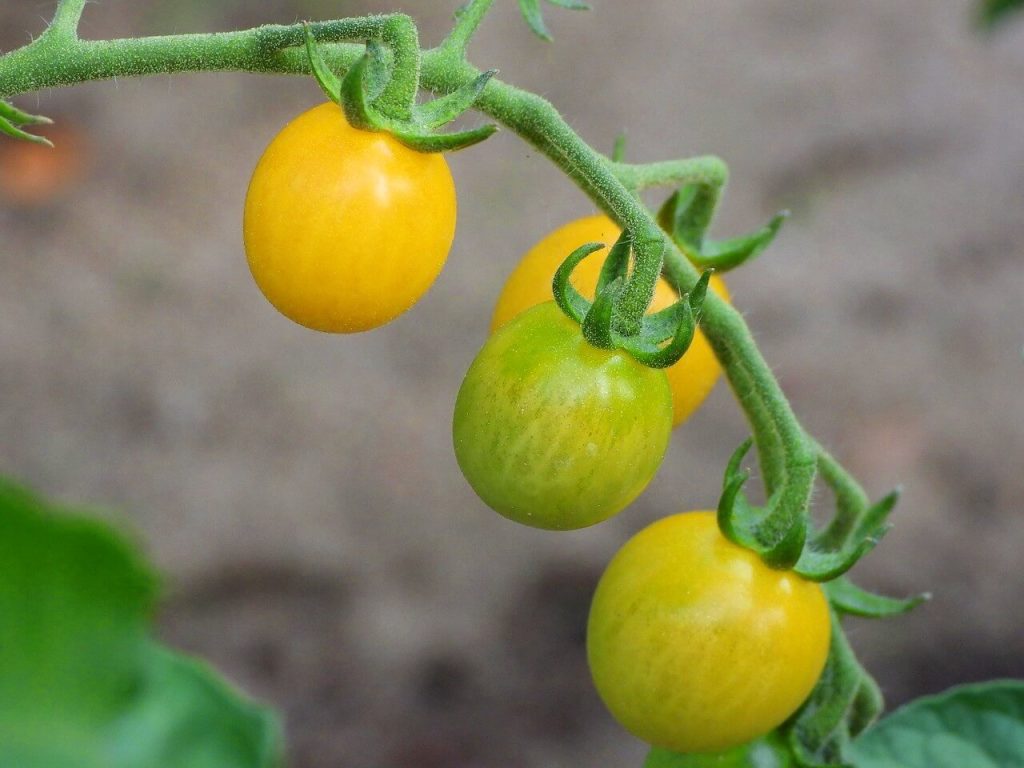
Nutrition facts
Even though yellow tomatoes contain less lycopene than red ones, they are still a very healthy food and provide many useful nutrients.
Yellow tomatoes are a good source of:
- Vitamin C – helps support the immune system and skin health
- Vitamin A – important for vision and healthy cells
- Potassium – supports heart health and muscle function
- Fiber – helps digestion and gut health
- Natural antioxidants – help protect the body’s cells
Because they are low in calories and mostly made of water, tomatoes are also a light and refreshing food, perfect for warm summer days.
Popular yellow tomato varieties
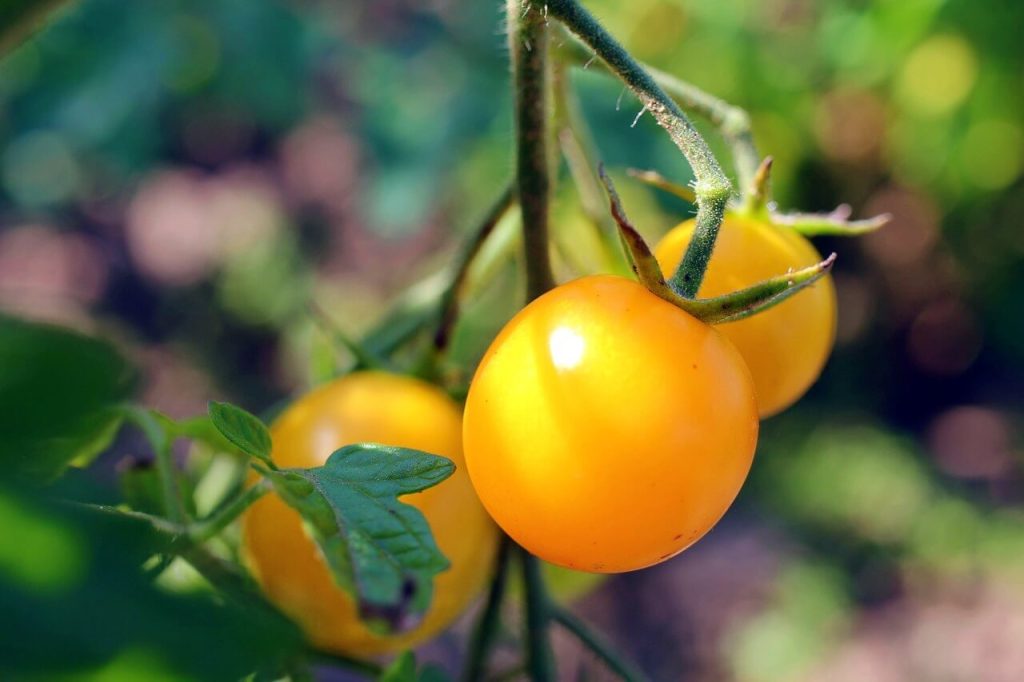
Gardeners have many yellow tomato varieties to choose from, ranging from tiny cherry tomatoes to large slicing types.
Some well-loved varieties include:
Golden Jubilee
A classic heirloom tomato with smooth, round fruits and a mild, pleasant flavor. It’s a reliable producer and great for slicing.
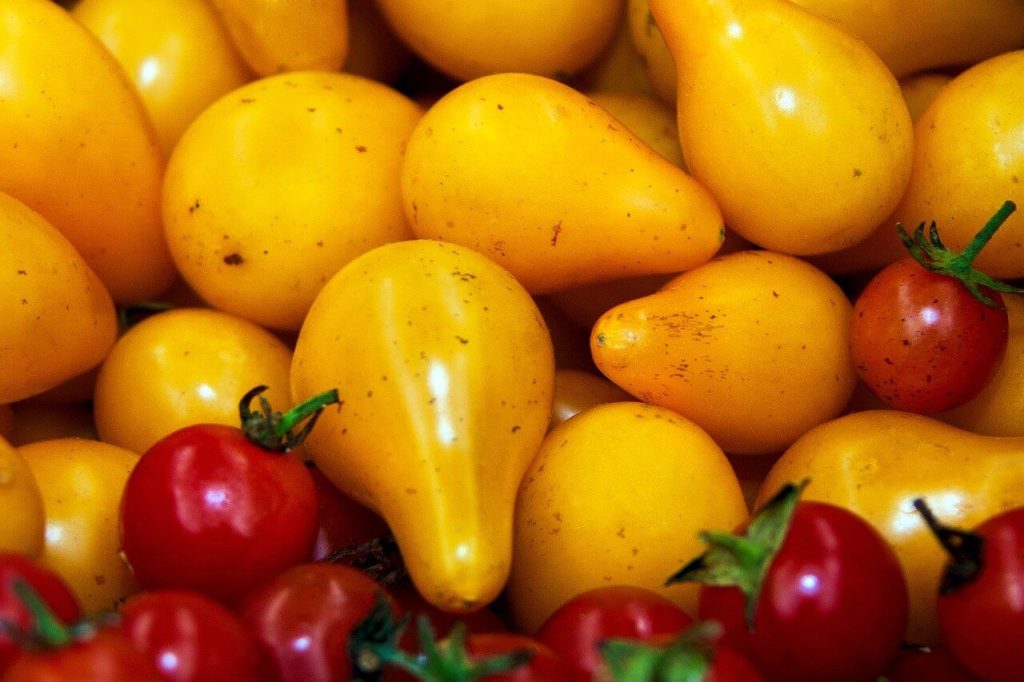
Yellow Pear
One of the most recognizable varieties. These small pear-shaped tomatoes grow in clusters and are perfect for snacking or adding to salads.
Lemon Boy
A popular hybrid variety known for its bright lemon color, smooth texture, and dependable harvests.
Dr. Wyche’s Yellow
A large heirloom beefsteak tomato with rich, sweet flavor and slightly orange flesh. Many gardeners consider it one of the best-tasting yellow tomatoes.
Golden Cherry
Small, sweet cherry tomatoes that grow abundantly and are perfect for greenhouse growing.
Growing a mix of these varieties can make the harvest basket look beautiful and colorful.
Growing yellow tomatoes in a greenhouse
Yellow tomatoes grow extremely well in greenhouses, and many gardeners prefer growing them this way because tomatoes love warmth and steady conditions.
A greenhouse helps protect plants from:
- Cold nights
- Heavy rain
- Strong winds
- Many outdoor pests
With the right care, greenhouse tomatoes often produce larger plants and longer harvest seasons.
Helpful greenhouse growing tips
Give plants strong support
Tomato plants can grow quite tall, especially indeterminate varieties. Use stakes, cages, or strings to keep plants upright.
Maintain good airflow
Open greenhouse vents or doors when possible. Proper airflow helps prevent fungal diseases and keeps humidity under control.
Water consistently
Tomatoes prefer regular watering. Try to water the soil at the base of the plant rather than the leaves.
Prune side shoots
Removing small side shoots (often called suckers) helps the plant focus its energy on growing fruit.
Feed plants regularly
Once flowers appear, using a tomato fertilizer rich in potassium helps encourage healthy fruit production.
One advantage of growing yellow tomatoes in a greenhouse is that the warmer conditions often bring out their natural sweetness even more.
Fun uses in the kitchen
Yellow tomatoes are not only great for growing—they are also very versatile in cooking.
They are especially good for:
- Fresh salads
- Tomato salads with olive oil and herbs
- Homemade salsa
- Colorful tomato sauces
- Roasted vegetable dishes
- Garden snacks straight off the vine
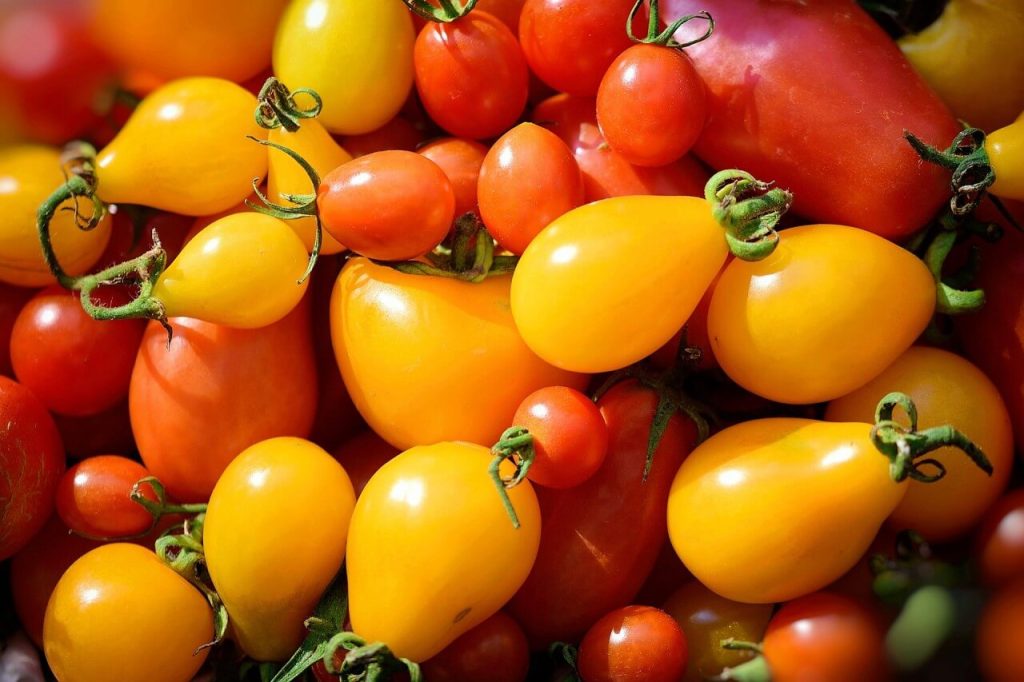
Mixing yellow, red, and green tomatoes together can create beautiful dishes that look as good as they taste.
Why tomatoes are such a popular garden crop
Tomatoes have become one of the most popular plants in home gardens around the world, and it’s easy to understand why.
They are:
- Relatively easy to grow
- Very productive plants
- Adaptable to gardens, greenhouses, and even containers
- Healthy and nutritious
- Incredibly versatile in cooking
For many gardeners, growing tomatoes is also part of the joy of summer. Watching the first flowers appear, seeing small green fruits grow, and finally harvesting ripe tomatoes is one of the most satisfying experiences in the garden.
Whether you prefer red, green, or bright yellow varieties, tomatoes are a rewarding crop that brings color, flavor, and health benefits to every garden.
And once you start growing them, it’s very easy to understand why so many gardeners say that no garden feels complete without a few tomato plants.