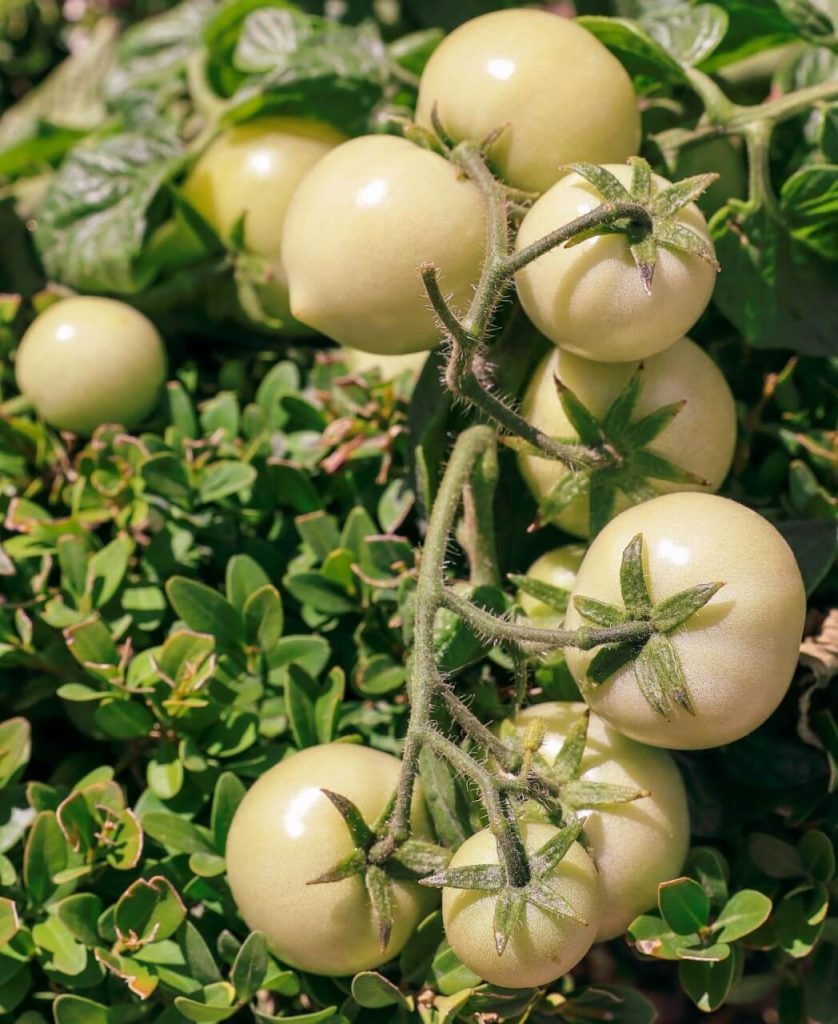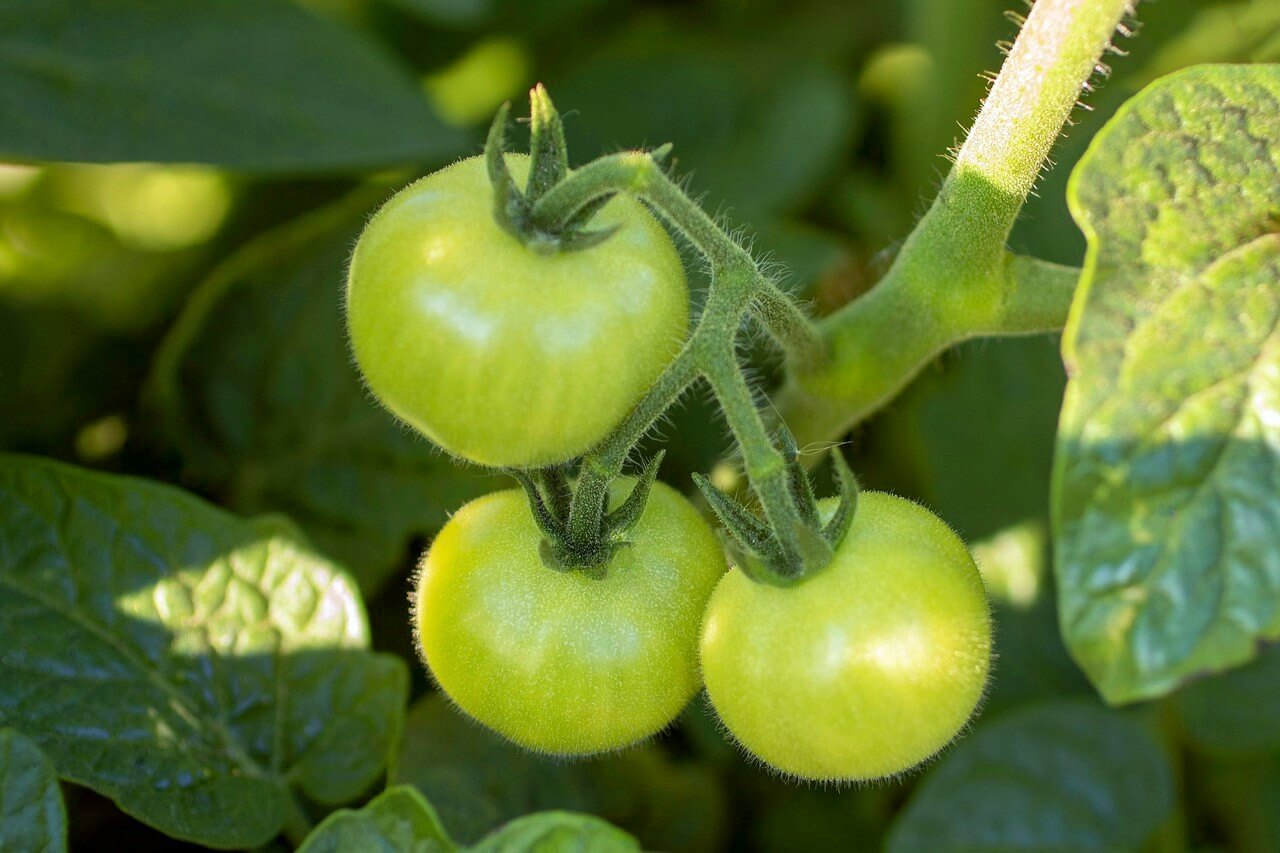
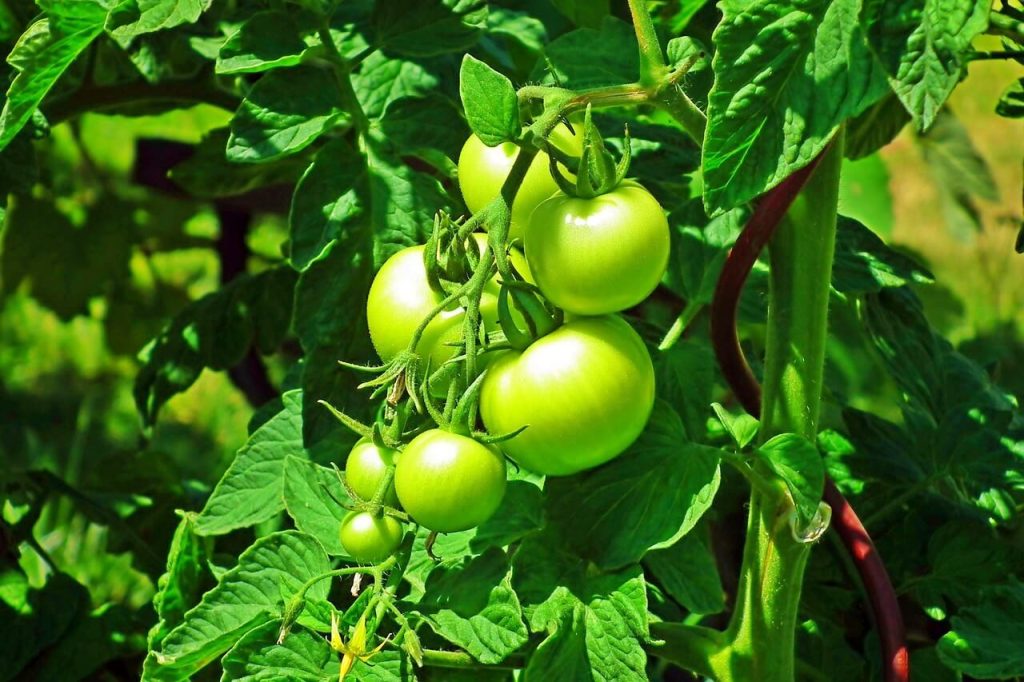
Green tomatoes can mean two different things in gardening. Most commonly, they are simply unripe tomatoes that haven’t turned red, yellow, or orange yet.
Gardeners often harvest these at the end of the season if frost is approaching. However, there are also true green varieties that stay green even when fully ripe.
Are green tomatoes just unripe?
- Unripe tomatoes: Almost every tomato starts out green. As it ripens, the color changes depending on the variety. These unripe fruits are firm and slightly tart.
- Green-when-ripe varieties: Some tomato cultivars naturally remain green when ripe. Instead of turning red, they usually soften slightly and develop yellowish or amber tones, which is how gardeners know they’re ready to harvest.
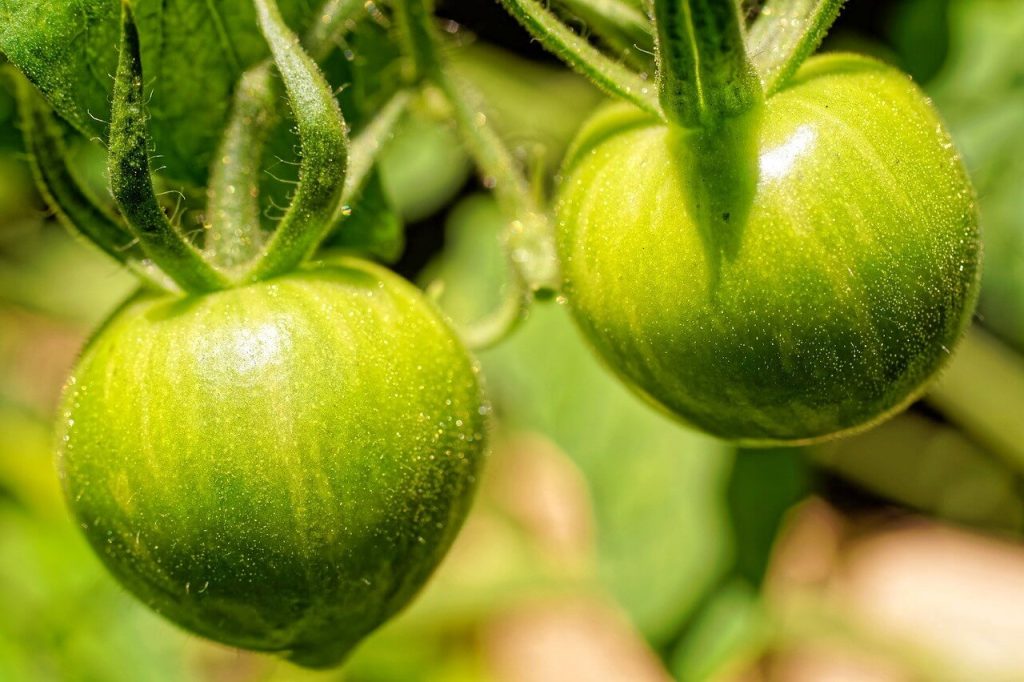
Nutrition facts
Green tomatoes contain several valuable nutrients:
- Vitamin C – helps support the immune system
- Vitamin A (beta-carotene) – important for healthy vision and skin
- Potassium – supports heart health and blood pressure regulation
- Dietary fiber – aids digestion
Unripe tomatoes also contain small amounts of tomatine, a natural compound produced by tomato plants. In normal culinary amounts, it’s generally considered safe.
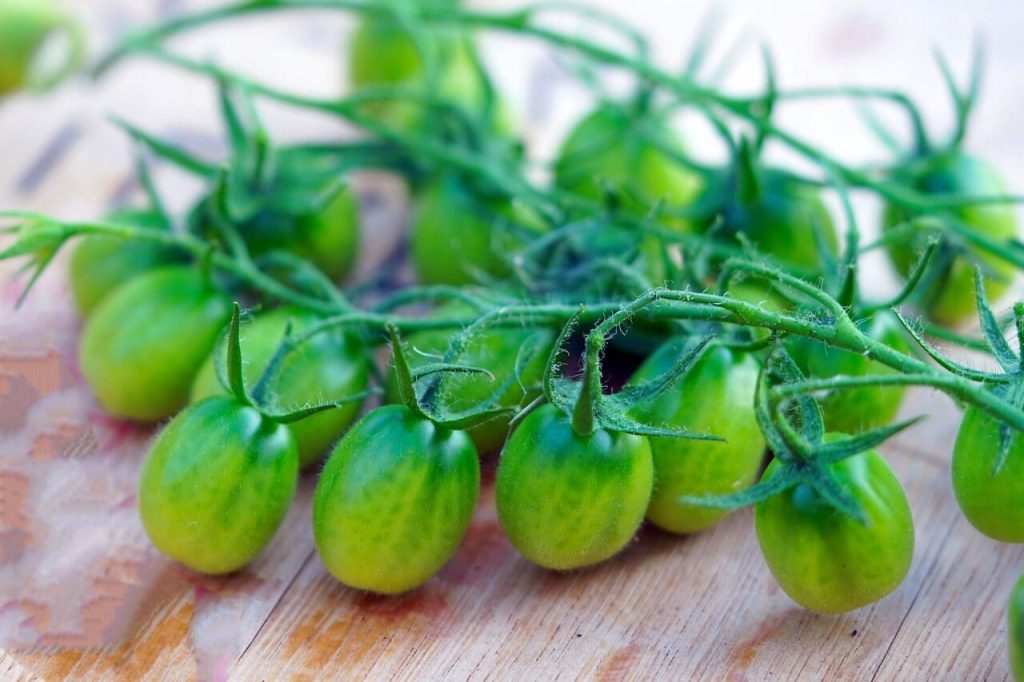
Popular green tomato varieties
Some well-known green-when-ripe tomatoes gardeners enjoy growing include:
- Green Zebra – small to medium fruits with green and yellow stripes and a bright, tangy flavor
- Cherokee Green – an heirloom variety with large fruits and a rich, slightly smoky taste
- Aunt Ruby’s German Green – a big beefsteak-type tomato known for its sweet, complex flavor
- Green Giant – large, meaty fruits that are excellent for slicing
Growing green tomatoes in a greenhouse
Green tomatoes—just like other tomato varieties—grow very well in greenhouses. In fact, the controlled environment often leads to healthier plants and better yields. Greenhouse growing protects plants from cold weather, heavy rain, and many outdoor pests.
A few helpful tips for greenhouse growers:
- Provide strong support such as stakes or strings, because tomato plants can grow tall and heavy with fruit.
- Maintain good airflow by opening vents or doors to reduce humidity and prevent fungal diseases.
- Water consistently at the base of the plant rather than overhead to keep leaves dry.
- Prune side shoots (suckers) on indeterminate varieties to help the plant focus energy on fruit production.
- Watch for ripeness carefully with green varieties—look for a slight softening and a subtle color shift rather than a dramatic color change.
For greenhouse gardeners, green tomato varieties can be especially fun to grow because they’re productive, unique, and often have a surprisingly sweet, rich flavor once fully ripe.