Many gardeners assume that if they haven’t planted their greenhouse by spring, they’ve missed their opportunity for the year. Fortunately, that’s far from the truth.
In fact, June can be one of the most productive months for greenhouse gardening.
While some crops are already well established by early summer, there are still plenty of vegetables, fruits, herbs, and fast-growing crops that can be planted successfully.
Whether you’re a beginner who got a late start or an experienced gardener looking to maximize greenhouse production, June offers numerous possibilities. The key is choosing suitable crops and adapting your greenhouse management to warmer temperatures.
The Short Answer: No, June Is Not Too Late
For most greenhouse gardeners, June is actually a transitional month rather than a deadline. Spring planting may be ending, but summer growing is just beginning.
A greenhouse extends the growing season, provides protection from unpredictable weather, and creates ideal conditions for many heat-loving crops.
While cool-season vegetables may struggle during the hottest weeks of summer, many other plants thrive when planted in June.
In warmer climates and heated greenhouses, June can even mark the beginning of a second growing cycle.
Pros of Planting in June:
Warmer Soil Temperatures
Many vegetables germinate faster in warm soil. Seeds planted in June often emerge more quickly than those planted in early spring when temperatures are still fluctuating.
Faster Plant Growth
Long daylight hours and warm temperatures encourage rapid development. Plants can establish themselves quickly and begin producing sooner.
Reduced Risk of Frost
One of the biggest challenges of spring gardening is late frosts. By June, this threat has largely disappeared in most regions.
Longer Harvest Periods
A greenhouse allows crops planted in June to continue producing well into autumn and sometimes even winter, depending on your climate and greenhouse setup.
Opportunity for Succession Planting
June is perfect for replacing crops that have already been harvested and keeping greenhouse beds productive throughout the season.
Cons of Planting in June:
Higher Greenhouse Temperatures
Greenhouses can become extremely hot during summer. Without proper ventilation, plants may suffer from heat stress.
Increased Water Requirements
Warm weather means plants need more frequent watering. Containers and raised beds may dry out surprisingly quickly.
Some Crops May Be Too Late
Long-season crops that ideally start in late winter or early spring may not have enough time to reach full productivity before cooler weather arrives.
Pest Activity Increases
Aphids, whiteflies, spider mites, and other greenhouse pests often become more active during summer months.
More Attention Required
Successful June planting often requires careful monitoring of temperature, humidity, and irrigation.
What Vegetables to Plant in June
Many vegetables perform exceptionally well when planted during June.
Fast-Growing Salad Crops:
- Lettuce
- Arugula
- Spinach (heat-tolerant varieties)
- Asian greens
- Mustard greens
- Swiss chard
Root Vegetables:
- Radishes
- Beetroot
- Carrots
- Turnips
Summer Favorites:
- Cucumbers
- Bush beans
- Pole beans
- Courgettes (zucchini)
- Summer squash
Brassicas for Later Harvests:
- Kale
- Broccoli
- Cabbage
- Cauliflower
Herbs:
- Basil
- Parsley
- Cilantro
- Dill
- Chives
- Oregano
- Thyme
Some Fruits You Can Plant in June
While most fruit trees are established long before June, several fruiting crops can still be planted successfully in a greenhouse.
Strawberries
Container-grown strawberry plants can establish quickly and produce fruit in the current or following season.
Melons
Greenhouses provide ideal warmth for:
- Cantaloupe
- Honeydew melon
- Watermelon (smaller varieties)
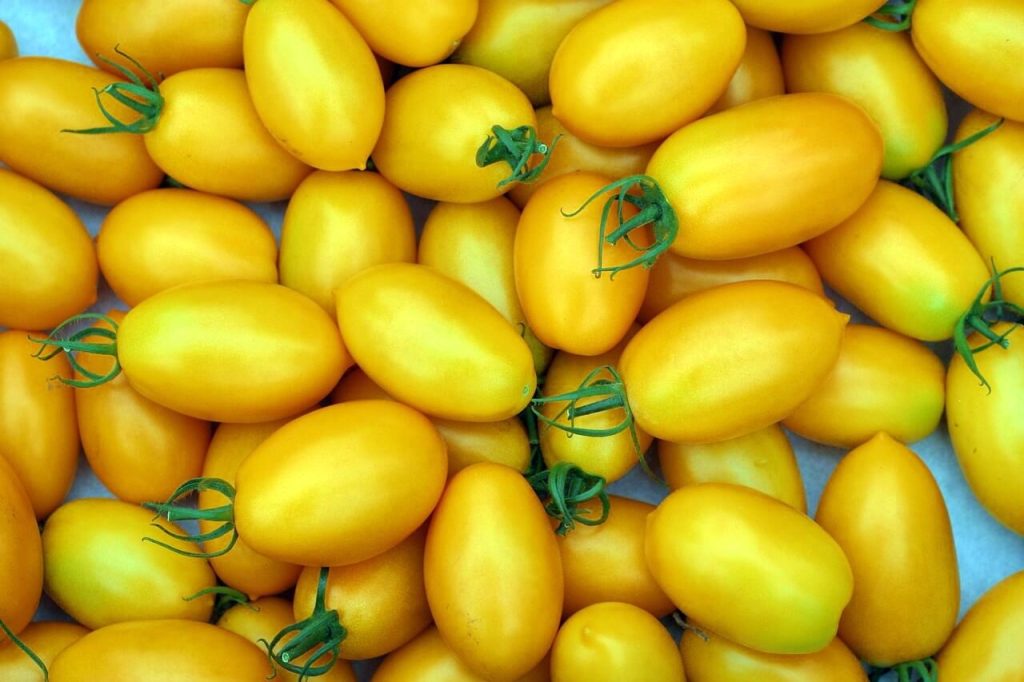
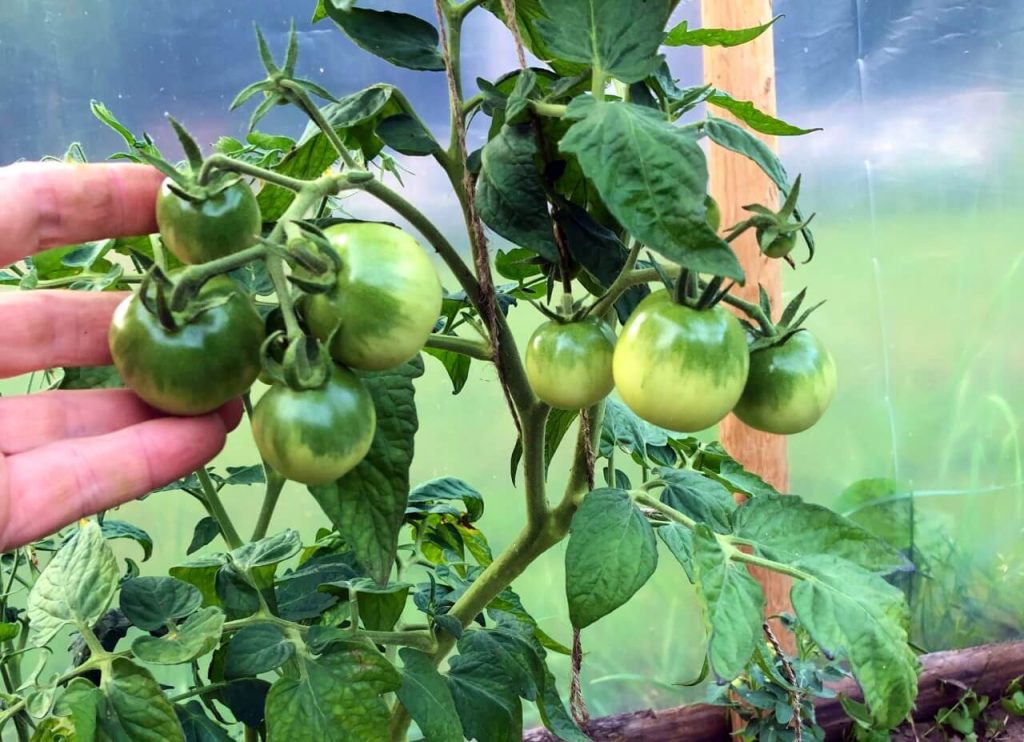
Tomatoes
June is still suitable for planting young tomato plants in many regions, especially in greenhouses where growing conditions remain favorable late into the season.
Peppers
Sweet peppers and chili peppers often thrive in greenhouse conditions and can still produce worthwhile harvests when planted in June.
Physalis (Cape Gooseberry)
This unusual fruit enjoys warm greenhouse environments and can provide late-season harvests.
General Greenhouse Planting Advice for June
Focus on Ventilation
Open vents, doors, and windows whenever possible. Good airflow helps prevent overheating and fungal diseases.
Water Consistently
Avoid allowing soil to dry out completely. Deep watering is usually more beneficial than frequent shallow watering.
Use Shade When Necessary
During heatwaves, greenhouse shading can prevent plant stress and sun scorch.
Feed Heavy Feeders
Tomatoes, cucumbers, peppers, and melons benefit from regular feeding during active growth.
Monitor for Pests
Check leaves regularly for signs of aphids, whiteflies, or spider mites. Early intervention is much easier than dealing with a major infestation.
Practice Succession Planting
Rather than planting everything at once, sow small batches every few weeks to extend harvests.
Interesting Greenhouse Facts!
Greenhouses Date Back to Ancient Times
The concept of protected growing environments dates back to the Roman Empire, where gardeners used primitive structures to grow crops year-round.
Modern Greenhouses Can Increase Yields Dramatically
Many crops grown under protection produce significantly higher yields than those grown outdoors due to controlled conditions.
Temperature Can Rise Extremely Fast
On a sunny summer day, an unventilated greenhouse can become dangerously hot within a matter of hours.
Greenhouses Extend Growing Seasons
Depending on climate and construction, a greenhouse can add several months to the growing season.
Some Commercial Greenhouses Never Stop Producing
Large-scale operations often maintain production throughout the year using climate control systems and supplemental lighting.
Common Mistakes When Planting in June:
Planting Cool-Season Crops Without Shade
Many leafy vegetables struggle in excessive heat and may bolt quickly.
Overcrowding Plants
Summer growth can be vigorous. Allow enough space for mature plants.
Ignoring Temperature Monitoring
A greenhouse thermometer is one of the simplest but most valuable tools for summer gardening.
Forgetting to Mulch
Mulch helps conserve moisture and keeps root zones cooler.
Starting Very Long-Season Crops Too Late
Choose varieties that match the remaining length of your growing season.
Frequently Asked Questions
Can I still plant tomatoes in June?
Yes. In most greenhouse environments, young tomato plants can still be planted in June and produce a substantial harvest before autumn.
Is June too late for cucumbers?
No. Cucumbers grow rapidly in warm conditions and are excellent candidates for June planting.
What grows fastest in a greenhouse during June?
Radishes, lettuce, arugula, Asian greens, and many herbs can be harvested relatively quickly after planting.
Should I shade my greenhouse in June?
If temperatures regularly exceed 85°F (29°C), temporary shading can help reduce plant stress and improve productivity.
Can I start seeds directly in the greenhouse?
Yes. June’s warm temperatures often create ideal germination conditions for many vegetable and herb seeds.
How often should I water greenhouse plants in June?
It depends on temperature, crop type, and soil conditions. During hot weather, some greenhouse plants may require daily watering.
Is June a good time for succession planting?
Absolutely. June is one of the best months for succession planting and keeping greenhouse beds productive throughout the growing season.
Thank you for reading about my experience growing food in greenhouses! So I beg you, please check out the section “Greenhouse calendar” for other activities during each month.
I hope you have the “green fingers” too!!!