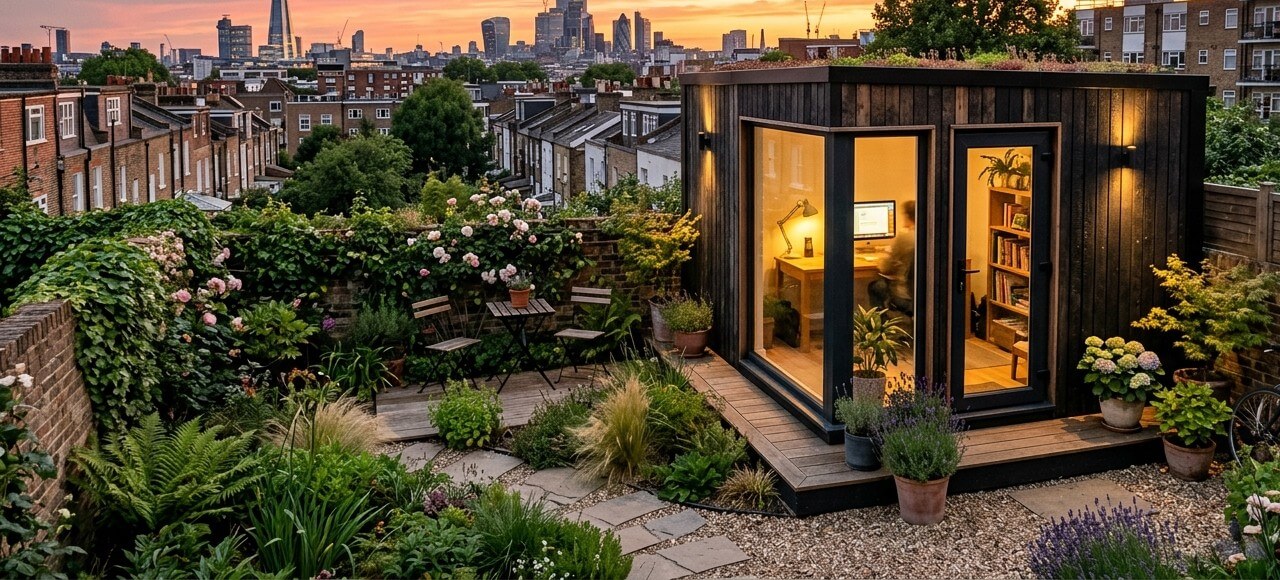
Every year around June 20–21, gardeners across the United States experience the summer solstice—the longest day of the year and the official start of astronomical summer.
With abundant daylight and warmer temperatures, many greenhouse owners wonder whether the June solstice affects planting decisions.
The short answer is yes, but perhaps not in the way many people expect.
While the solstice does not magically accelerate plant growth overnight, it marks an important seasonal turning point.
Daylight hours reach their peak, temperatures are generally rising, and many crops enter their most active growth phase.
Understanding how the solstice influences sunlight, temperature, and plant development can help greenhouse gardeners make smarter planting and maintenance decisions throughout June and beyond.
What Is the June Solstice?
The June solstice occurs when the Northern Hemisphere is tilted most directly toward the sun. This creates the longest day and shortest night of the year. Depending on location, many parts of the United States receive between 14 and 16 hours of daylight during this period.
For greenhouse gardeners, this means:
- Maximum natural sunlight availability
- Longer photosynthesis periods for plants
- Faster growth rates for many warm-season crops
- Increased greenhouse temperatures that require monitoring
Interestingly, although the solstice marks the longest day, it does not mark the hottest day of the year. Due to seasonal lag, the warmest temperatures usually arrive several weeks later, often in July or August.
Does the Solstice Affect Greenhouse Planting?
Yes, but indirectly.
Plants respond primarily to daylight length (photoperiod) and temperature rather than the solstice itself. Around the solstice, many crops receive the maximum amount of sunlight they will get all year. This can encourage rapid vegetative growth and strong root development.
However, the solstice also signals that days will gradually begin shortening afterward. While the change is initially almost impossible to notice, certain plants are surprisingly sensitive to day length.
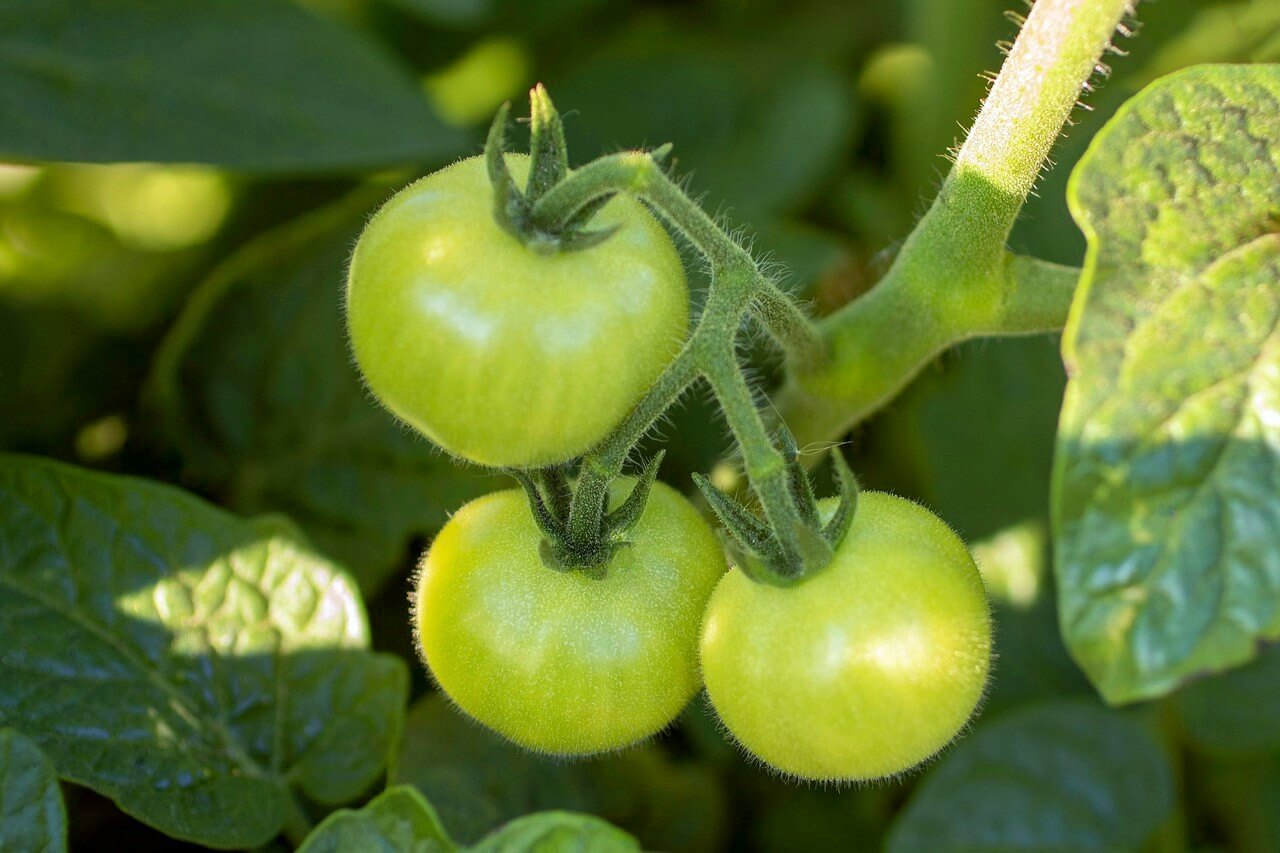
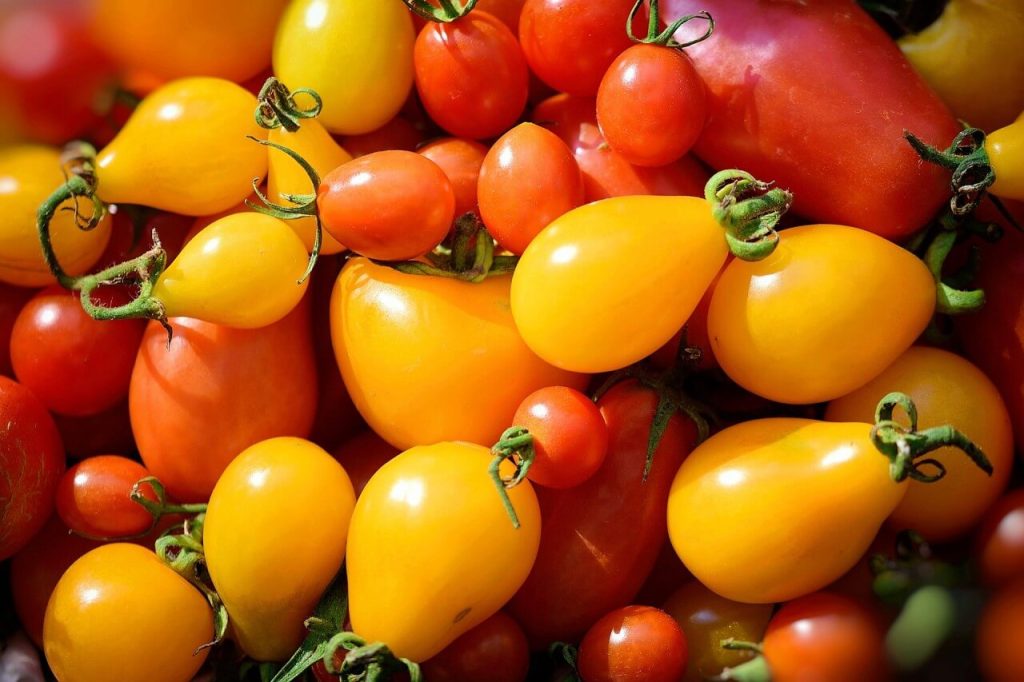
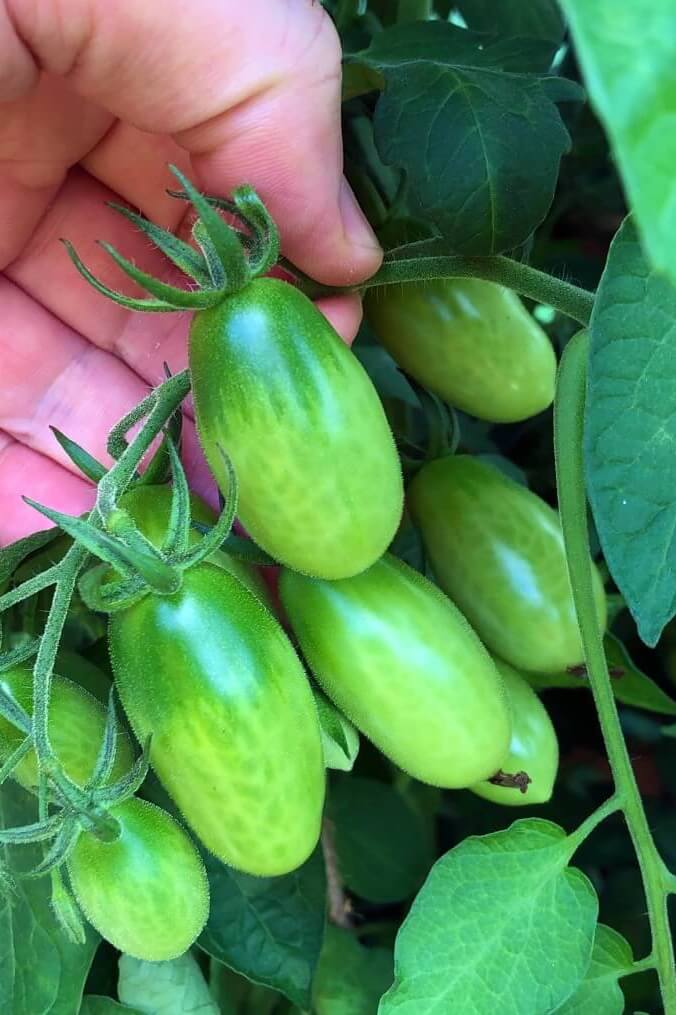
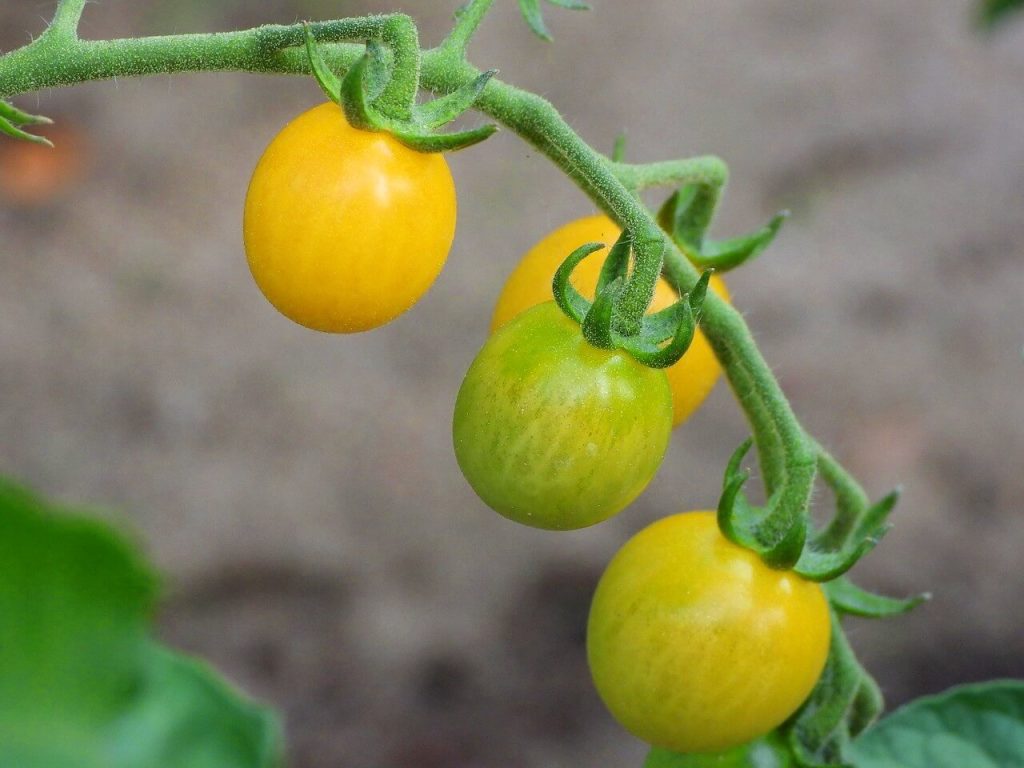
Some leafy greens, for example, may bolt more quickly during long summer days, while fruiting crops such as tomatoes, peppers, and cucumbers thrive under the abundant light conditions.
Fascinating Solstice Facts for Gardeners
Ancient Farmers Tracked the Solstice
Long before modern weather forecasts existed, farmers carefully observed solstices to guide agricultural activities. Many ancient cultures celebrated the event as a symbol of abundance and fertility.
Plants Can Measure Day Length
Many plants possess biological mechanisms that allow them to detect changes in daylight duration. This helps them determine when to flower, produce seeds, or enter dormancy.
Greenhouses Can Become Too Productive
During late June, some greenhouse crops may grow so vigorously that gardeners spend more time pruning, training, and harvesting than during spring.
The Solstice Is a Turning Point
Although summer is just beginning, daylight actually starts decreasing immediately after the solstice. The reduction is tiny at first, but by late summer it becomes increasingly noticeable.
Best Vegetables to Plant in June
If space becomes available in your greenhouse during June, consider planting:
- Bush beans
- Cucumbers
- Summer squash
- Zucchini
- Basil
- Dill
- Swiss chard
- Kale
- Beetroot
- Carrots
- Green onions
- Successions of lettuce in shaded areas
These crops can take advantage of warm soil temperatures and strong sunlight while still producing excellent harvests later in the season.
General June Greenhouse Advice for U.S. Gardeners
Improve Ventilation
June sunshine can cause greenhouse temperatures to climb rapidly. Open vents, doors, and windows whenever possible to prevent heat stress.
Monitor Watering Closely
Plants may require significantly more water than they needed in spring. Containers and raised beds can dry out surprisingly quickly during hot weather.
Watch for Bolting
Lettuce, spinach, arugula, and other cool-season crops may begin producing flower stalks. Harvest frequently to maintain quality.
Provide Shade When Necessary
In southern states and warmer hardiness zones, shade cloth can help protect sensitive plants from excessive heat and sun exposure.
Feed Fast-Growing Crops
Tomatoes, peppers, cucumbers, and squash benefit from regular fertilization during their peak growth period.
Stay Ahead of Pests
Aphids, whiteflies, spider mites, and other greenhouse pests reproduce quickly in warm conditions. Inspect plants regularly and address problems early.
Greenhouse Considerations by U.S. Hardiness Zone
Northern Zones (3–5)
Gardeners often experience ideal greenhouse growing conditions in June. Warm-season crops are accelerating while overheating is usually less severe.
Moderate Zones (6–8)
Ventilation becomes increasingly important. Crops grow rapidly, and regular watering becomes essential.
Southern Zones (9–11)
Heat management becomes the primary challenge. Shade cloth, fans, and frequent irrigation may be necessary to maintain healthy plant growth.
Should You Start Seeds After the Solstice?
Absolutely.
Many gardeners mistakenly believe that planting opportunities end after the longest day of the year. In reality, numerous crops can still be started successfully after the solstice.
Fast-growing vegetables such as beans, lettuce, radishes, carrots, beets, and many herbs can provide harvests well before autumn arrives. Greenhouse gardeners can often continue sowing succession crops throughout summer and into early fall.
Conclusion
The June solstice does affect greenhouse gardening, but mostly through its influence on daylight and temperature rather than any direct biological event. The longest days of the year create excellent conditions for vigorous plant growth, making June one of the most productive months in the greenhouse.
By managing heat, watering carefully, and selecting appropriate crops, greenhouse gardeners can take full advantage of the solstice period and set themselves up for abundant summer harvests.
Frequently Asked Questions
Does the June solstice mean I should stop planting?
No. Many vegetables, herbs, and fast-growing crops can still be planted successfully after the solstice.
Do plants grow faster during the solstice?
Many plants experience accelerated growth around the solstice because they receive maximum daylight for photosynthesis.
Is the solstice the hottest day of the year?
Usually not. The hottest temperatures generally occur several weeks later due to seasonal lag.
Can greenhouse temperatures become too high during June?
Yes. On sunny days, greenhouse temperatures can rise quickly and stress plants if ventilation is inadequate.
Which crops benefit most from June sunlight?
Tomatoes, peppers, cucumbers, squash, melons, and other warm-season crops typically thrive during this period.
Do I need supplemental lighting around the solstice?
In most regions, no. Natural daylight is usually abundant enough for greenhouse production during late June.
Should I use shade cloth in June?
Gardeners in warmer climates often benefit from shade cloth to reduce heat stress and prevent sunscald on sensitive plants.